The Return of the Arch: Curved Design Trends

Curved forms are making their way back into modern homes in a major way. After years of clean, straight lines dominating contemporary design, arches, rounded corners, and sculptural curves are reintroducing softness and movement into interior spaces. Many homeowners are discovering that curves create a more relaxed atmosphere, gently guiding the eye and improving the natural flow of a room.

When planning a remodel, interior space designers in Glen Ellyn often use curved elements to add architectural character and balance sharp geometry without overwhelming the overall design. In this article, we’ll take a look at why curves are returning and how to incorporate arches into your home in a way that feels modern, effortless, and timeless. Read on!

Are arches in style in 2025?

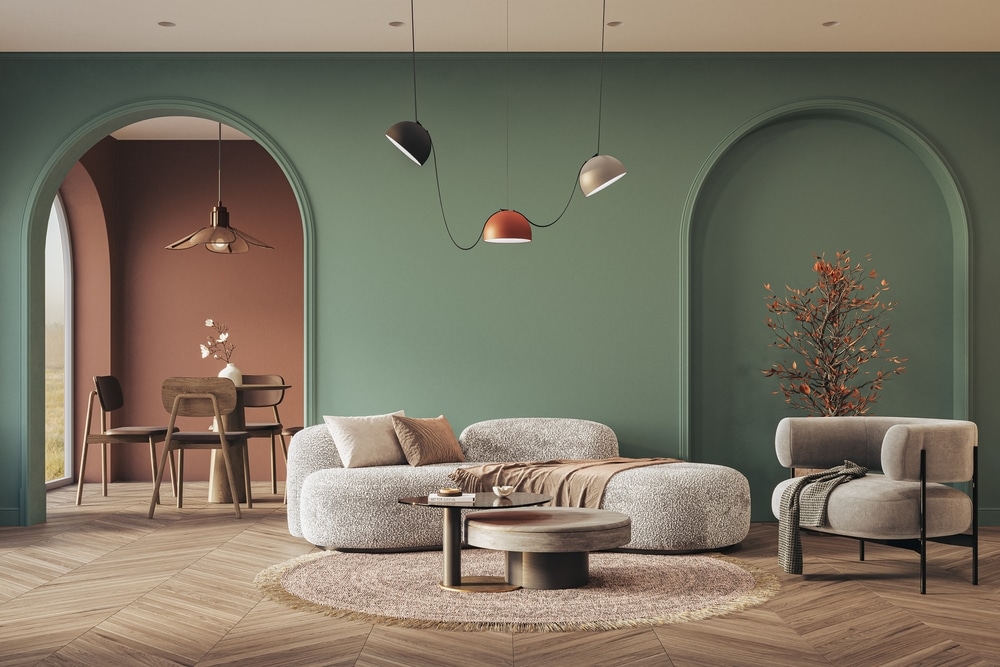
Arches are one of the biggest omebacks of 2025, and they’re showing up in every corner of the home: entryways, kitchen openings, hall transitions, niches, shelving, and even furniture. Unlike trend-based finishes that fade seasonally, arches tap into something timeless, and that is: softness. They break up rigid geometry and introduce curves that feel warm and human.

Part of their appeal comes from the emotional response they create. Straight lines feel structured and strong; curves feel calm and welcoming. In a world where many homeowners are seeking comfort and a sense of retreat at home, curved shapes offer balance and visual relief from the hard, minimal lines that dominated the past decade.

Another reason arches are thriving: they add architectural interest without forcing a specific design style. An arch can look Mediterranean, Scandinavian, modern, transitional, or even minimalist. It adapts to the home, not the other way around. It’s a small structural choice that makes a room instantly feel more intentional and custom.
How to make arches in your home

How to make arches in your home?

Curves can be added in big design ways or through smaller, design-forward details. Whether you’re planning construction or looking for subtle updates, there are plenty of ways to bring the arch trend into your space without overwhelming the design.

Add archways in transitions

If your home has square openings between rooms, consider reshaping one into an arch during a remodel. Even a single curved opening between the kitchen and living room can instantly change the atmosphere — the space feels more custom and visually softer. These structural arches frame views and create a sense of invitation as you move from one area to another.

Incorporate curved cabinetry or kitchen pass-throughs

Arched cabinet doors or rounded range hoods are a subtle way to introduce curves without altering walls. A small arched pass-through between the kitchen and dining area can also add charm and connection. These touches create a boutique, built-in feel, especially in luxury kitchens.

Use arched niches or built-ins

If you’re not ready for major construction, niches are a smart entry point. They make great homes for bookshelves, wine storage, or display areas. Even a simple drywall niche can create depth in hallways or living rooms.

Choose curved furniture and décor

Rounded sofas, barrel chairs, or arched mirrors can echo the same softness of architectural curves. This approach keeps the design flexible. If tastes change later, furniture can be swapped without affecting the structure of the home. It’s an easy way to experiment with curves before committing.

Highlight arches with lighting

Lighting turns curves into a focal point. Hidden LED lighting inside an arched niche or directional lighting above an arched doorway adds dimension and subtle drama. The right lighting emphasizes the curve’s shape and creates shadow play that enhances the architectural detail.
trusted interior space designers in Glen Ellyn

Looking for trusted interior space designers in Glen Ellyn? We bring ideas to life.

We approach every project in the Glen Ellyn Park District with a simple question – how should this space make you feel? From the first concepts to the final build, Ember & Brune transforms ideas into livable spaces through thoughtful planning and collaborative design. Instead of leaving you to imagine the outcome, we use 3D modeling to preview layouts, finishes, and flows before construction ever begins, letting you explore different possibilities with confidence.

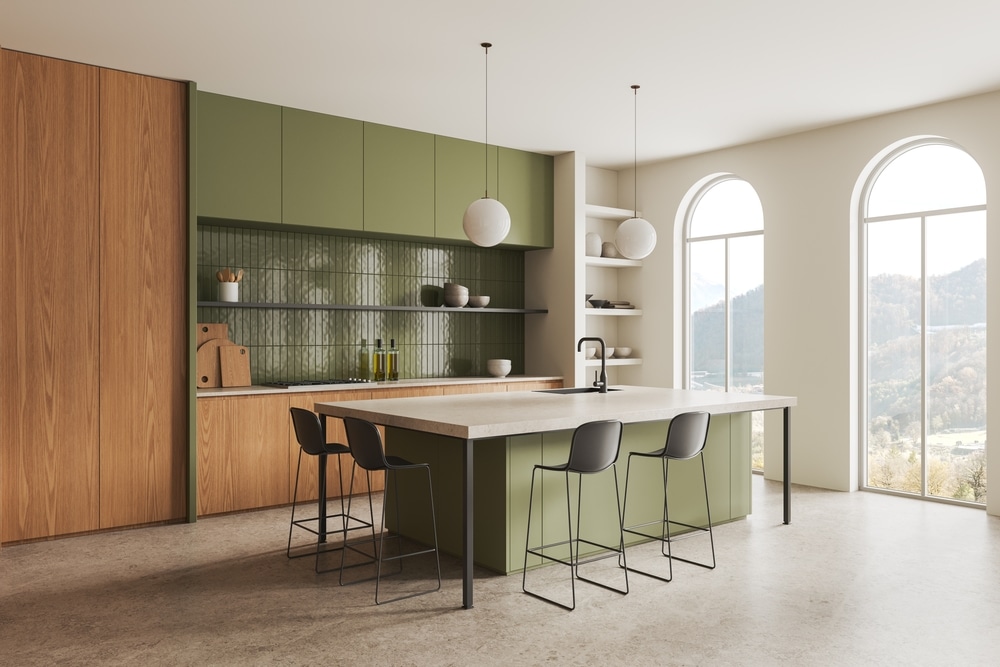
Whether we’re reimagining a main living area, adding arches to entryways, or designing a kitchen island that becomes the true gathering point of the home, every detail is intentional. If you’re ready to create a space that feels elevated and uniquely yours, we’re here to make it happen.
The Psychology of Space: How Layout Shapes Your Mood

The way a room is arranged influences far more than how it looks, affecting how you feel and function every day. Before reaching out to Glen Ellyn interior designers, it helps to understand how layout affects your mood and why certain spaces feel calm and inviting while others feel busy or overwhelming. Flow, sightlines, and the way natural light travels through a space all play into how your brain interprets comfort and order. When a layout aligns with how you live, the space supports your energy and reduces stress without you even realizing it.

In this article, we’ll explore the psychology of space and how your home’s layout can have a lasting impact on your emotional well-being – let’s dive in.

leading Glen Ellyn interior designers near me

How does interior design affect mood?

Once you understand that layout influences energy and emotional reactions, it becomes clear why certain rooms feel instantly relaxing while others feel chaotic. Every design element introduces a psychological cue, from the amount of daylight a room receives to how furniture directs movement. Thoughtful design shapes how your mind processes the space and how your body responds to it.

The role of light in emotional well-being

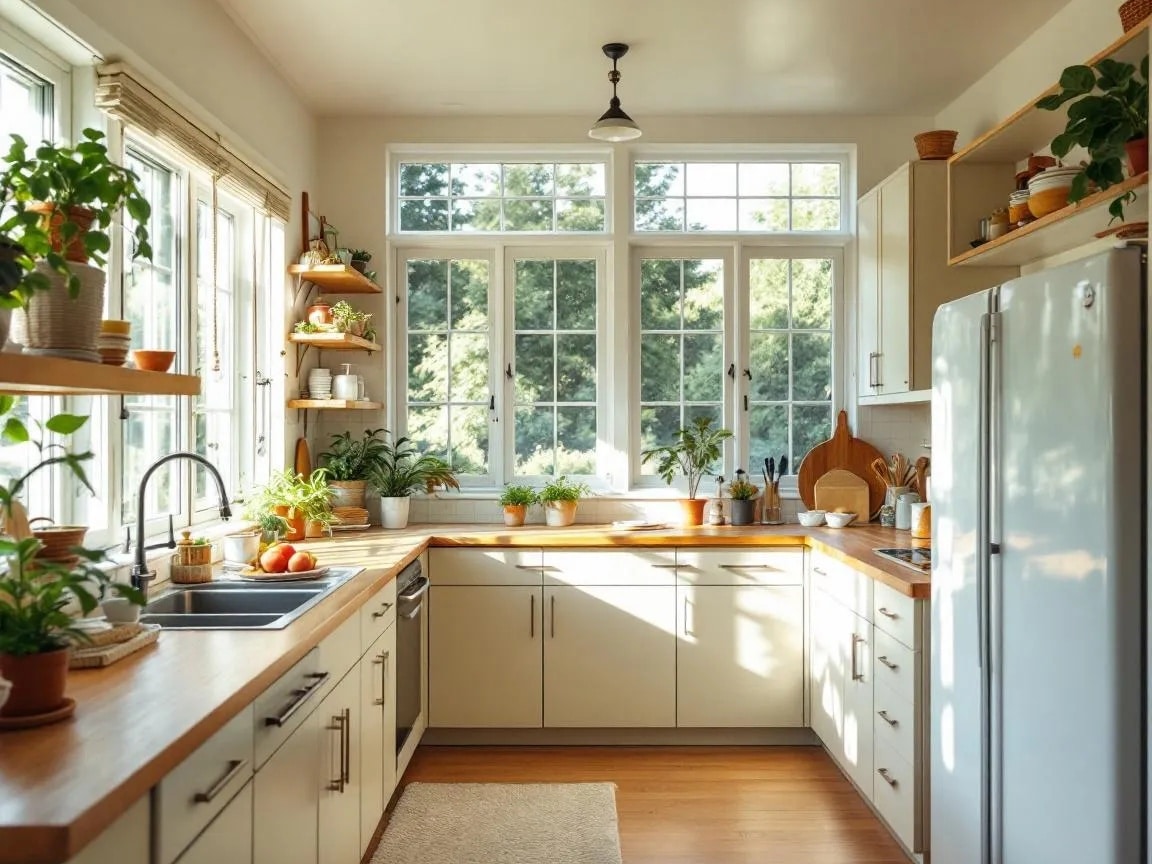
Natural light is one of the strongest mood regulators in the home. Bright, open spaces encourage energy and alertness, while dim or poorly lit rooms can lead to fatigue or irritability. Designers consider how sunlight moves across a room throughout the day and position zones for working, relaxing, or socializing accordingly. Well-planned layers like ambient, task, and accent lighting can turn an ordinary room into a space that feels warm and emotionally grounded.

Color psychology: warm vs. cool tones

Color impacts emotion on a subconscious level. Cool tones like soft blues and greens can create a feeling of serenity, while warm hues such as terracotta and cream evoke comfort and sociability. The key is using color intentionally, not just because it’s trendy, but because it fits the mood of the room’s purpose. Even small accents, like textiles or decor, can shift the emotional temperature of a room.

Spatial flow and mental clarity

Cluttered layouts create mental friction. When movement from one part of the room to another feels blocked or awkward, the brain interprets the space as stressful. Clear circulation paths and well-defined zones make the home feel intuitive, anchoring the space so you instinctively know where to sit, where to work, and how to move through the space. A layout that supports natural movement helps reduce daily frustration and promotes ease.

Comfort through materials and texture

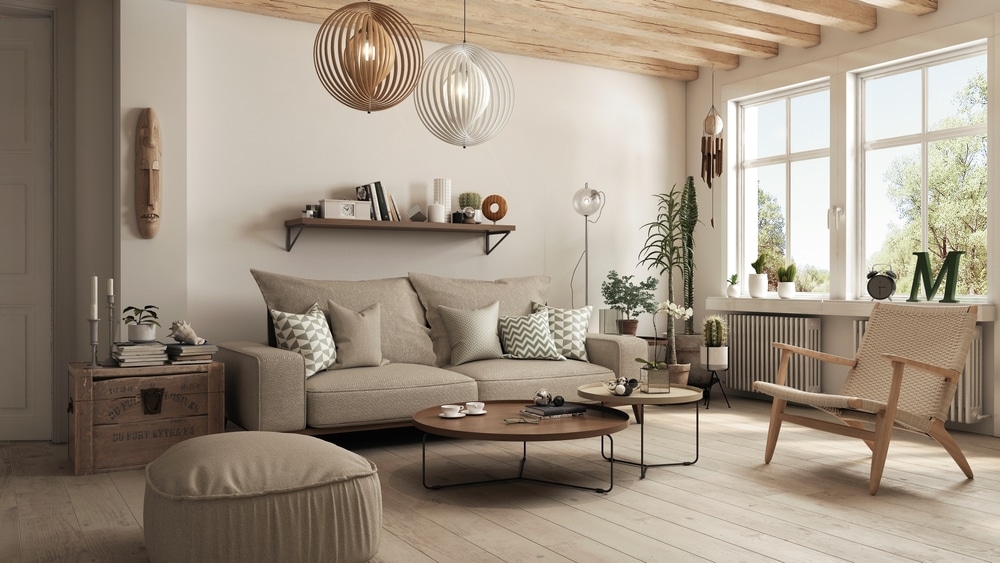
Texture affects mood on a tactile and emotional level. Soft fabrics or natural wood grains bring warmth and subtle richness, making a space feel inviting and grounded. Smooth surfaces such as metal or high-gloss finishes give a room a more polished, modern vibe. Balancing opposing textures adds depth and keeps the space from feeling flat or one-dimensional.

Proportion and scale influence stress levels

Oversized furniture in a small room can feel suffocating, while pieces that are too small leave the space feeling empty or unfinished. When proportion is balanced, your brain registers harmony. A room should feel neither overwhelming nor sparse. The right proportions allow the room to “breathe,” which translates into emotional ease.

Personalization and emotional connection

Humans are emotionally attached to meaning. A room feels better when it reflects your interests, values, and memories, not a showroom floor. Displaying art you love, travel mementos, or meaningful colors makes a space feel personal and comforting. When a room reflects your identity, it becomes a place you enjoy spending time in.

How Home Layout Affects Your Mood

Who are the leading Glen Ellyn interior designers near me?

A well-designed home starts with understanding how a space should feel, not just how it should look. That’s why Ember & Brune takes a collaborative approach, planning layouts around the flow of daily life and emotional comfort. Using 3D visualization, clients in Glen Ellyn can walk through their future spaces before construction begins, allowing them to see how design decisions will impact movement, lighting, and overall mood.

Whether it’s integrating the growing trend of curved openings and soft archways or designing a kitchen island that becomes the true center of connection, every detail is intentional. Schedule an appointment with our design-build team today!