The Hidden Impact of Kitchen Islands on Daily Living

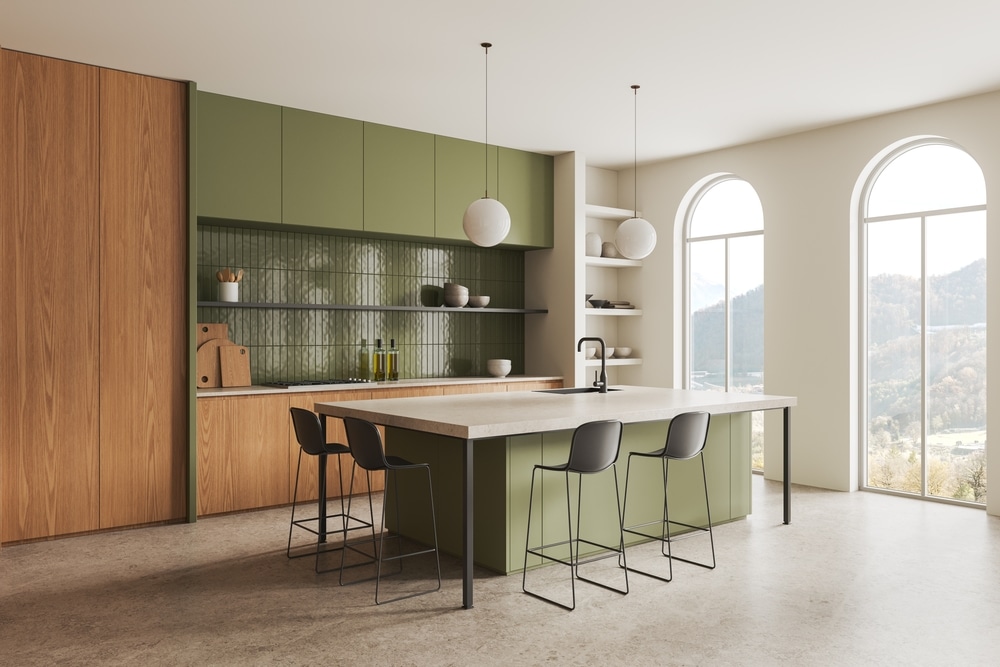
Kitchen islands shape far more of your daily routine than you might expect. They influence how you prep meals, interact with family, organize your kitchen, and even how you move through the space. Before you get in touch with your Glen Ellyn interior space designers, it helps to understand how an island affects workflow, storage, and the overall feel of the room. A well-planned island can act as a social hub, a workspace, or a functional anchor, depending on how it’s designed.

In this article, we’ll take a closer look at the hidden ways kitchen islands impact daily living and how thoughtful design decisions can transform the heart of your home.
How can kitchen islands make my life easier

How can kitchen islands make my life easier?

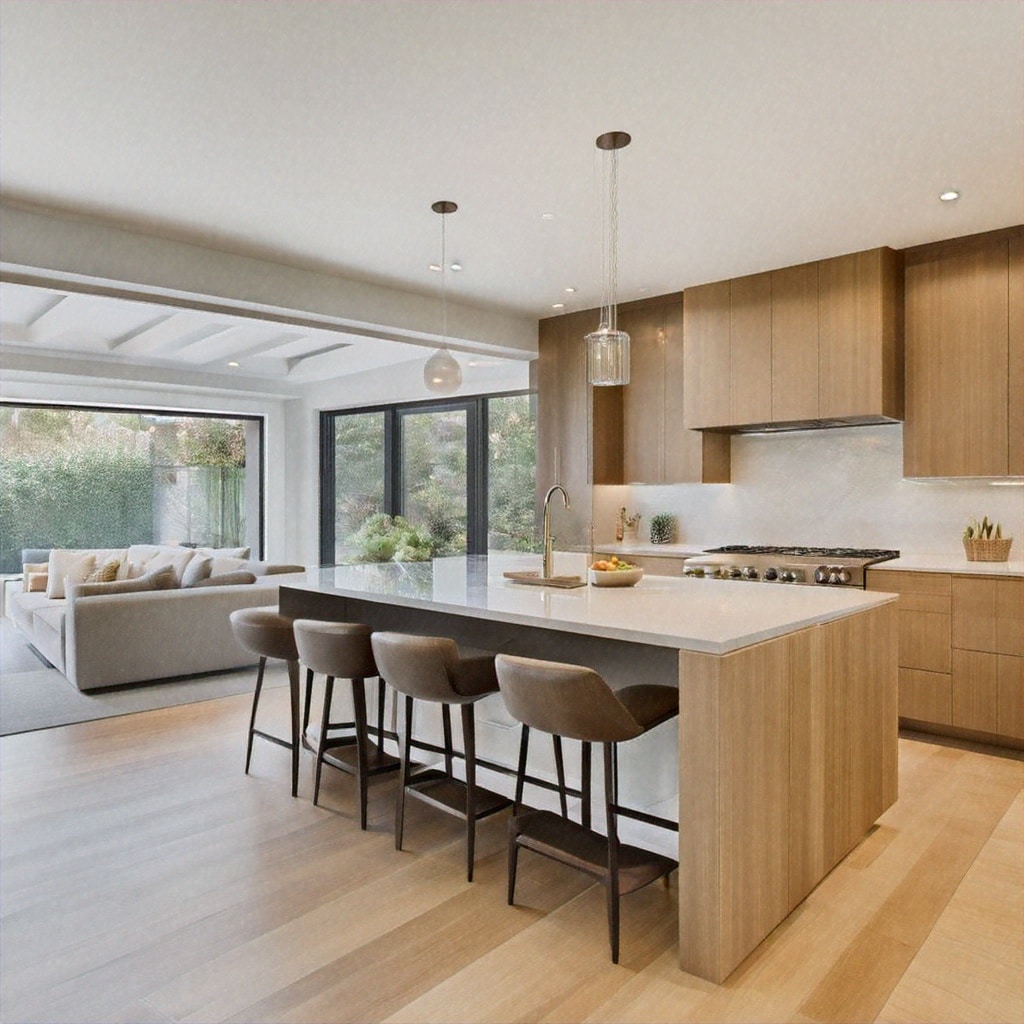
The size, shape, seating style, and storage layout all contribute to how the space functions and how comfortable it feels. Once you see the subtle ways an island influences movement and workflow, the design decisions become much clearer.

Defines the flow of movement

A kitchen island naturally directs foot traffic. It can create smooth pathways that make cooking and cleaning easier, or it can accidentally create bottlenecks if positioned poorly. Because islands sit in the center of activity, even a few extra inches in width or length can make a dramatic difference in comfort. Good flow means fewer collisions during busy mornings and a layout that works with your habits, not against them.

Shapes how people gather in the home

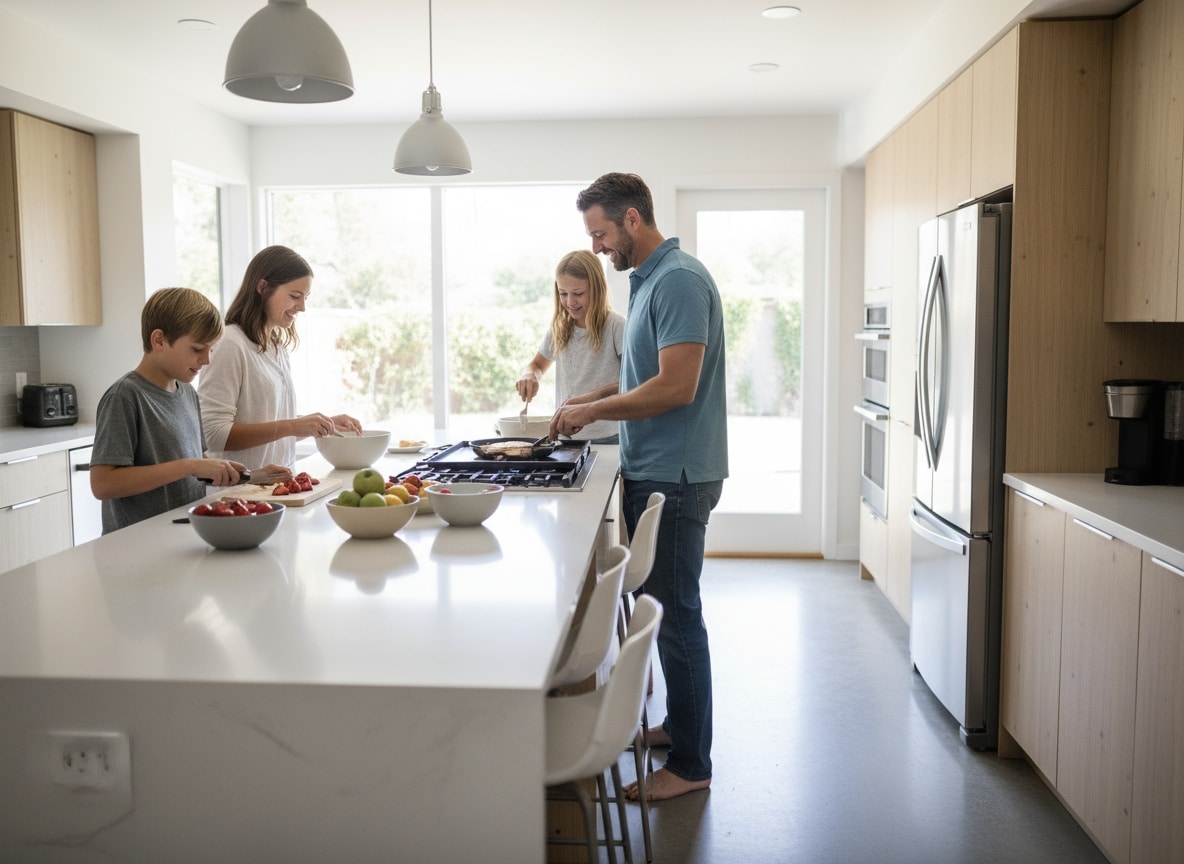
The island often becomes the social hub without anyone planning it that way. Guests gravitate to it during gatherings, kids use it for homework, and families regroup around it throughout the day. This makes seating height, placement, and sightlines especially important. The island can foster connection when designed well or create awkward distances when overlooked.

Influences cooking efficiency and prep routines

Where appliances sit in relation to the island matters. With the right layout, you can prep, cook, and clean in a smooth sequence. With the wrong layout, you’re constantly turning, reaching, and backtracking. Counter depth, storage accessibility, and proximity to the sink all impact how effortlessly you move while cooking. A purposeful island can reduce strain and make everyday tasks feel easier.

Acts as hidden storage that changes daily organization

Islands often house the most-used drawers in a kitchen, which directly affects how tidy the room stays. Deep drawers for pots, separations for utensils, or integrated trash bins all shape how quickly you can reset the space. When storage is planned around your habits, the kitchen feels more intuitive and less cluttered. Poorly planned storage, however, adds unnecessary steps to simple tasks.

Supports multiple roles throughout the day

A kitchen island is rarely just for cooking. It becomes a workspace, a serving station, a breakfast area, and sometimes even a family communication zone. This multifunctionality is why its design needs to be flexible. The materials, lighting, and outlets determine how well it keeps up with these shifting roles. A versatile island adapts to the rhythms of daily life instead of limiting them.
reliable Glen Ellyn interior space designers

Need reliable Glen Ellyn interior space designers for your remodel? You’re in good hands

A kitchen island has the power to reshape how a home functions, and the same principle guides the way we approach every design detail. Our team blends 3D visualization, architectural planning, and interior design into one seamless process so you can clearly see how each choice influences comfort and daily living.

If you’re considering a new island, rethinking circulation, or exploring soft arches to improve transitions, we make it easy to understand how these elements will look and feel before construction begins. Every project near the Glen Ellyn Park District is crafted to support the way you live, with thoughtful design leading the way at every stage.
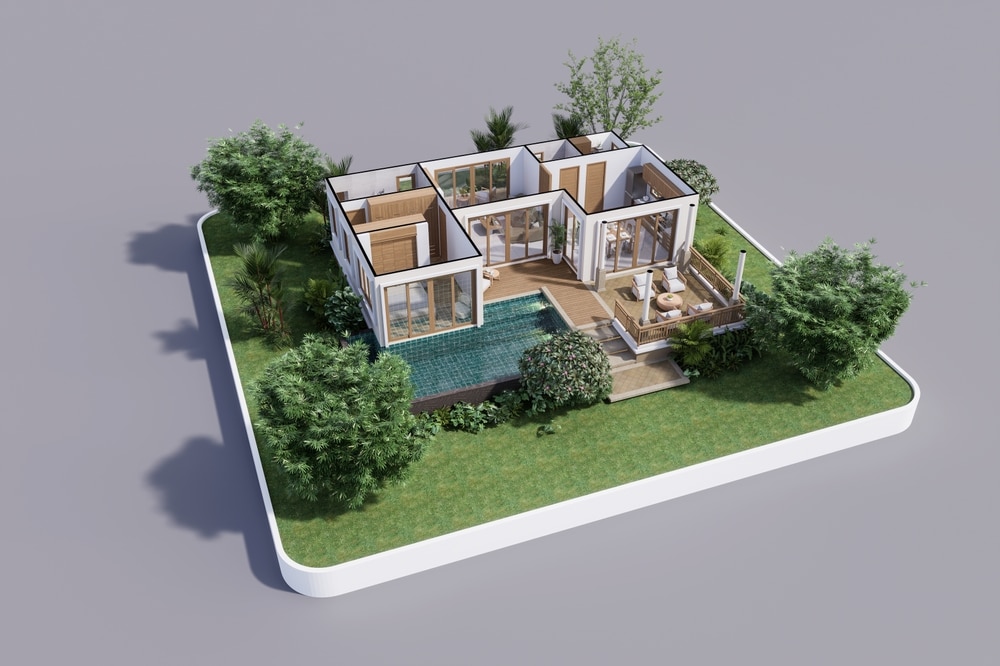
The Role of 3D Visualization in Today’s Remodeling Projects

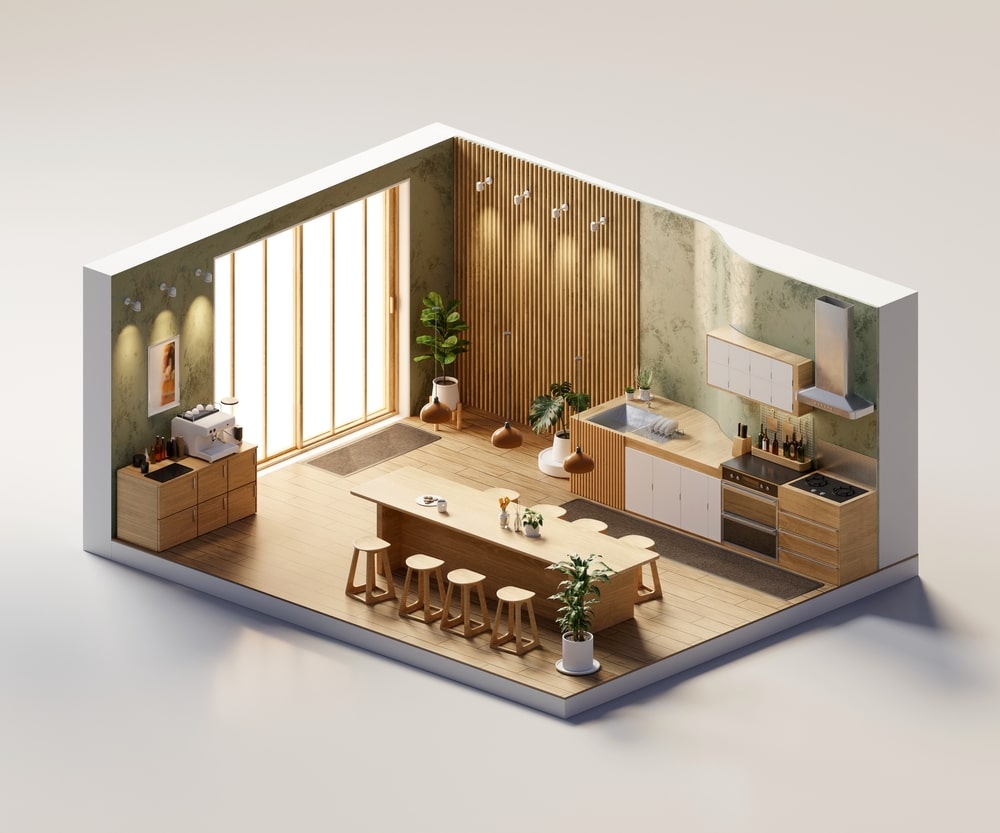
Seeing a remodel on paper is one thing, but experiencing it before a single wall is touched is something completely different. That’s why 3D visualization has become one of the most valuable tools in modern home design, giving homeowners a clear, immersive look at how their spaces will function and feel. Instead of guessing whether a layout works or imagining how finishes might pair together, 3D models allow you to explore a variety of options and make decisions that actually fit your lifestyle.

Home interior designers in Glen Ellyn rely on this technology to bridge the gap between concept and reality, helping clients avoid surprises and stay aligned with the overall vision from day one. In this article, we dive into today’s remodeling landscape to see how 3D visualization is changing the way people plan their future homes.

How can 3D modeling help with my remodeling project

How can 3D modeling help with my remodeling project?

Traditional sketches and mood boards can only go so far in showing how a space will actually look or function. 3D visualization fills that gap by turning ideas into lifelike environments you can adjust and perfect. It sets the foundation for better decisions with remodels that feel intentional from the start.

Visualizing layout and flow before construction

One of the biggest advantages of 3D visualization is seeing how a space functions in real time. Instead of imagining walking through a room, you can actually trace the traffic flow, understand circulation patterns, and spot potential issues early. This helps ensure that doorways, pathways, and sightlines support the way you live. When clients can “walk through” their remodel, they make decisions with confidence instead of guesswork.

Comparing design options side by side

3D models make it easy to test multiple layout or finish options in minutes. Whether you’re deciding between two kitchen configurations or debating cabinetry styles, seeing each choice rendered at full scale brings clarity. This visual testing prevents costly changes later in the process. It also empowers homeowners to choose the layout that feels right, not just the one that looks good on paper.

Understanding color, texture, and lighting more accurately

Colors and materials can look completely different in person than they do in photos or samples. 3D visualization accounts for natural light, shadows, and reflections, giving you a realistic preview of how surfaces will behave in your actual environment. You can see how warm tones shift throughout the day or how textures interact with lighting. This level of detail helps eliminate second-guessing when selecting finishes.

Identifying structural challenges early

Because 3D modeling maps a space precisely, it can reveal layout issues that traditional drawings might miss. Low ceilings, awkward corners, or insufficient wall space for cabinetry become obvious when seen at scale. Catching these details early prevents delays during construction and keeps the project running smoothly. It also gives homeowners a clearer understanding of what is, and isn’t, possible in the existing structure.

Improving communication between designers, builders, and homeowners

Miscommunication is one of the most common causes of remodeling setbacks. 3D visualizations create a shared reference point for the entire team. Everyone can see the same angles, dimensions, and design intentions, reducing misinterpretations and aligning expectations. This collaborative clarity leads to better outcomes and a more efficient building process.

Reducing remodel anxiety through realistic previews

Remodeling can be stressful, especially when you’re making decisions about spaces you can’t yet see. 3D visualization replaces uncertainty with assurance. When clients understand exactly what the finished space will look like, they feel more in control and comfortable throughout the process. Seeing the future home clearly helps transform remodeling from overwhelming to exciting.

reliable home interior designers in Glen Ellyn


Looking for reliable home interior designers in Glen Ellyn? You’re in the right place!

Bringing a remodel to life takes clarity, collaboration, and a design process that lets you explore every possibility before construction begins. That’s why Ember & Brune integrates 3D visualization into every project in DuPage County, giving you a true sense of how your future home will look and feel. Whether we’re shaping a custom kitchen island that anchors your cooking and gathering space or introducing soft arches to create smoother transitions and visual warmth, you can see each detail in full scale before decisions are final.

This approach helps you make confident choices to refine your vision from the initial concept. When you’re ready to design a space that reflects both beauty and function, we’re here to guide the design build process.

The Return of the Arch: Curved Design Trends

Curved forms are making their way back into modern homes in a major way. After years of clean, straight lines dominating contemporary design, arches, rounded corners, and sculptural curves are reintroducing softness and movement into interior spaces. Many homeowners are discovering that curves create a more relaxed atmosphere, gently guiding the eye and improving the natural flow of a room.

When planning a remodel, interior space designers in Glen Ellyn often use curved elements to add architectural character and balance sharp geometry without overwhelming the overall design. In this article, we’ll take a look at why curves are returning and how to incorporate arches into your home in a way that feels modern, effortless, and timeless. Read on!

Are arches in style in 2025?

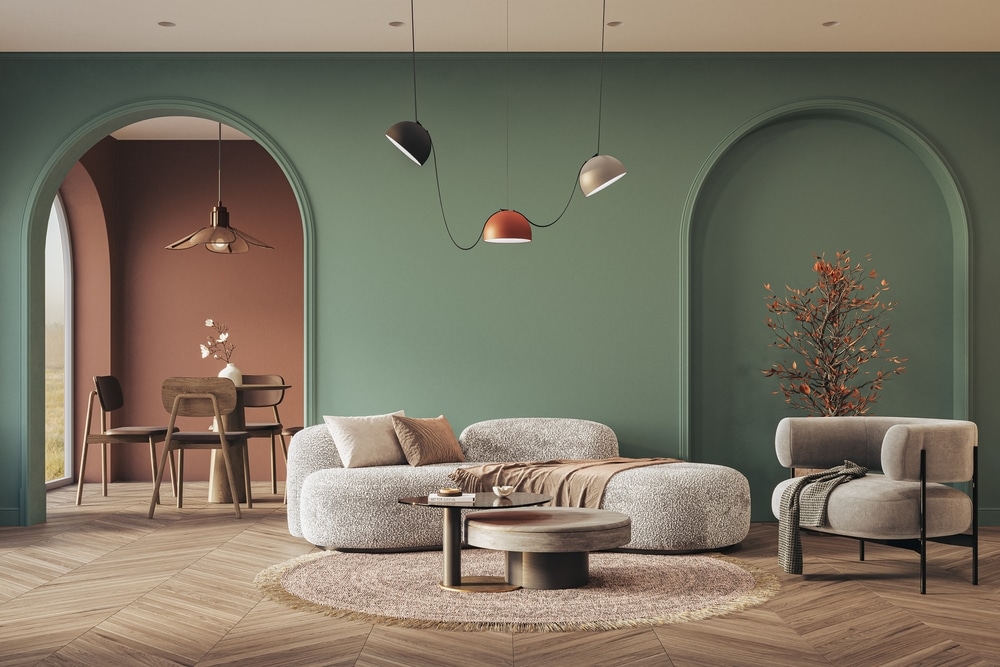
Arches are one of the biggest omebacks of 2025, and they’re showing up in every corner of the home: entryways, kitchen openings, hall transitions, niches, shelving, and even furniture. Unlike trend-based finishes that fade seasonally, arches tap into something timeless, and that is: softness. They break up rigid geometry and introduce curves that feel warm and human.

Part of their appeal comes from the emotional response they create. Straight lines feel structured and strong; curves feel calm and welcoming. In a world where many homeowners are seeking comfort and a sense of retreat at home, curved shapes offer balance and visual relief from the hard, minimal lines that dominated the past decade.

Another reason arches are thriving: they add architectural interest without forcing a specific design style. An arch can look Mediterranean, Scandinavian, modern, transitional, or even minimalist. It adapts to the home, not the other way around. It’s a small structural choice that makes a room instantly feel more intentional and custom.

How to make arches in your home

How to make arches in your home?

Curves can be added in big design ways or through smaller, design-forward details. Whether you’re planning construction or looking for subtle updates, there are plenty of ways to bring the arch trend into your space without overwhelming the design.

Add archways in transitions

If your home has square openings between rooms, consider reshaping one into an arch during a remodel. Even a single curved opening between the kitchen and living room can instantly change the atmosphere — the space feels more custom and visually softer. These structural arches frame views and create a sense of invitation as you move from one area to another.

Incorporate curved cabinetry or kitchen pass-throughs

Arched cabinet doors or rounded range hoods are a subtle way to introduce curves without altering walls. A small arched pass-through between the kitchen and dining area can also add charm and connection. These touches create a boutique, built-in feel, especially in luxury kitchens.

Use arched niches or built-ins

If you’re not ready for major construction, niches are a smart entry point. They make great homes for bookshelves, wine storage, or display areas. Even a simple drywall niche can create depth in hallways or living rooms.

Choose curved furniture and décor

Rounded sofas, barrel chairs, or arched mirrors can echo the same softness of architectural curves. This approach keeps the design flexible. If tastes change later, furniture can be swapped without affecting the structure of the home. It’s an easy way to experiment with curves before committing.

Highlight arches with lighting

Lighting turns curves into a focal point. Hidden LED lighting inside an arched niche or directional lighting above an arched doorway adds dimension and subtle drama. The right lighting emphasizes the curve’s shape and creates shadow play that enhances the architectural detail.

trusted interior space designers in Glen Ellyn

Looking for trusted interior space designers in Glen Ellyn? We bring ideas to life.

We approach every project in the Glen Ellyn Park District with a simple question – how should this space make you feel? From the first concepts to the final build, Ember & Brune transforms ideas into livable spaces through thoughtful planning and collaborative design. Instead of leaving you to imagine the outcome, we use 3D modeling to preview layouts, finishes, and flows before construction ever begins, letting you explore different possibilities with confidence.

Whether we’re reimagining a main living area, adding arches to entryways, or designing a kitchen island that becomes the true gathering point of the home, every detail is intentional. If you’re ready to create a space that feels elevated and uniquely yours, we’re here to make it happen.

The Psychology of Space: How Layout Shapes Your Mood

The way a room is arranged influences far more than how it looks, affecting how you feel and function every day. Before reaching out to Glen Ellyn interior designers, it helps to understand how layout affects your mood and why certain spaces feel calm and inviting while others feel busy or overwhelming. Flow, sightlines, and the way natural light travels through a space all play into how your brain interprets comfort and order. When a layout aligns with how you live, the space supports your energy and reduces stress without you even realizing it.

In this article, we’ll explore the psychology of space and how your home’s layout can have a lasting impact on your emotional well-being – let’s dive in.

leading Glen Ellyn interior designers near me

How does interior design affect mood?

Once you understand that layout influences energy and emotional reactions, it becomes clear why certain rooms feel instantly relaxing while others feel chaotic. Every design element introduces a psychological cue, from the amount of daylight a room receives to how furniture directs movement. Thoughtful design shapes how your mind processes the space and how your body responds to it.

The role of light in emotional well-being

Natural light is one of the strongest mood regulators in the home. Bright, open spaces encourage energy and alertness, while dim or poorly lit rooms can lead to fatigue or irritability. Designers consider how sunlight moves across a room throughout the day and position zones for working, relaxing, or socializing accordingly. Well-planned layers like ambient, task, and accent lighting can turn an ordinary room into a space that feels warm and emotionally grounded.

Color psychology: warm vs. cool tones

Color impacts emotion on a subconscious level. Cool tones like soft blues and greens can create a feeling of serenity, while warm hues such as terracotta and cream evoke comfort and sociability. The key is using color intentionally, not just because it’s trendy, but because it fits the mood of the room’s purpose. Even small accents, like textiles or decor, can shift the emotional temperature of a room.

Spatial flow and mental clarity

Cluttered layouts create mental friction. When movement from one part of the room to another feels blocked or awkward, the brain interprets the space as stressful. Clear circulation paths and well-defined zones make the home feel intuitive, anchoring the space so you instinctively know where to sit, where to work, and how to move through the space. A layout that supports natural movement helps reduce daily frustration and promotes ease.

Comfort through materials and texture

Texture affects mood on a tactile and emotional level. Soft fabrics or natural wood grains bring warmth and subtle richness, making a space feel inviting and grounded. Smooth surfaces such as metal or high-gloss finishes give a room a more polished, modern vibe. Balancing opposing textures adds depth and keeps the space from feeling flat or one-dimensional.

Proportion and scale influence stress levels

Oversized furniture in a small room can feel suffocating, while pieces that are too small leave the space feeling empty or unfinished. When proportion is balanced, your brain registers harmony. A room should feel neither overwhelming nor sparse. The right proportions allow the room to “breathe,” which translates into emotional ease.

Personalization and emotional connection

Humans are emotionally attached to meaning. A room feels better when it reflects your interests, values, and memories, not a showroom floor. Displaying art you love, travel mementos, or meaningful colors makes a space feel personal and comforting. When a room reflects your identity, it becomes a place you enjoy spending time in.

How Home Layout Affects Your Mood

Who are the leading Glen Ellyn interior designers near me?

A well-designed home starts with understanding how a space should feel, not just how it should look. That’s why Ember & Brune takes a collaborative approach, planning layouts around the flow of daily life and emotional comfort. Using 3D visualization, clients in Glen Ellyn can walk through their future spaces before construction begins, allowing them to see how design decisions will impact movement, lighting, and overall mood.

Whether it’s integrating the growing trend of curved openings and soft archways or designing a kitchen island that becomes the true center of connection, every detail is intentional. Schedule an appointment with our design-build team today!

Designing Homes for Connection: Family-Centered Living Spaces

How to design a family homeA well-designed home is the backdrop for family life, connection, and daily rituals. Today’s families want spaces that feel inviting, functional, and adaptable, where everyone can gather yet still enjoy their own corners of comfort. Thoughtful material choices all play a role in creating this balance.
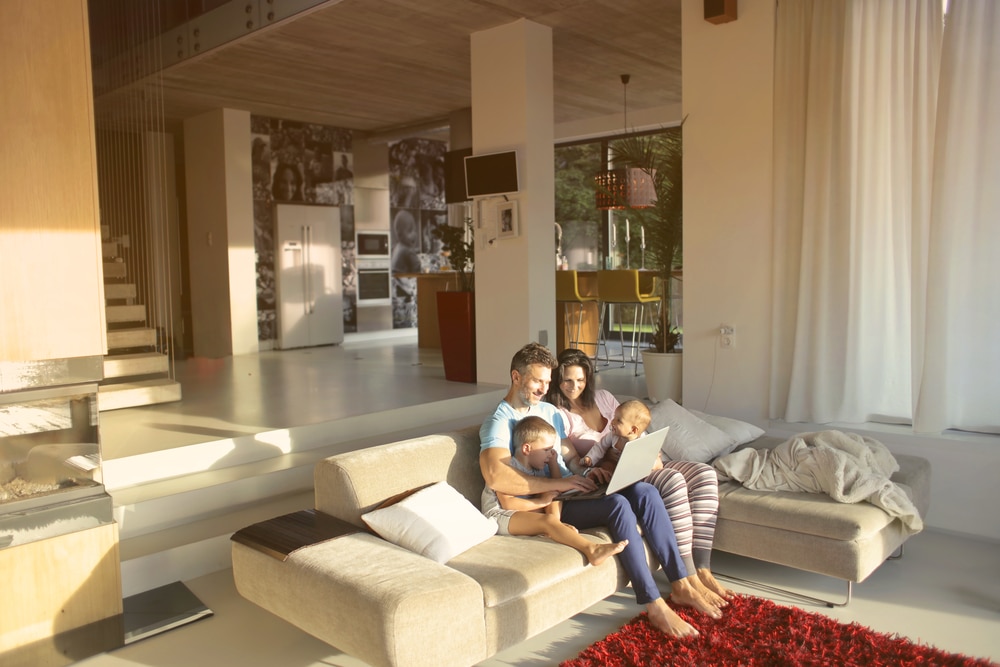
If you’re considering reshaping your space with the help of a Glen Ellyn design+build studio, the goal should be to design interiors that foster togetherness while accommodating the unique rhythms of family living. When every element is planned with connection in mind, a house becomes a true home. In this article, we’ll explore how to design family-centered living spaces that bring people closer while supporting the needs of everyday life.

How to design a family home?

Family-centered design doesn’t follow trends, it focuses on creating homes that evolve with the people who live in them. Function, comfort, and adaptability matter just as much as style.

Prioritize open gathering areas

Large, open spaces allow families to come together naturally, whether it’s in a kitchen, living room, or a combined great room. An open floor plan promotes interaction while cooking, working, or relaxing, helping everyday routines feel more connected. These areas become the social hub of the home, making it easy to host guests or enjoy quiet family evenings. The key is to balance openness with defined zones so the layout feels spacious but still organized. When designed well, gathering spaces become the heartbeat of the home.

Create zones for privacy and flexibility

While connection is important, families also need spaces that allow for individual downtime. Bedrooms, reading nooks, or home offices provide the privacy required for focus or rest. Designing flexible rooms that can shift purpose, like a playroom that evolves into a study as kids grow, ensures longevity. These zones should feel intentional, so that every family member has a sense of belonging. A well-zoned home balances togetherness with independence.

Incorporate durable, family-friendly materials

Family-centered living often means high traffic and constant activity, so material selection is critical. Durable flooring like hardwood or tile, stain-resistant fabrics, and easy-to-clean surfaces all support a home that looks good while standing up to daily use. Texture and color choices should also help disguise wear, so the space stays polished even in busy seasons. When comfort and practicality meet, materials enhance both beauty and livability. This thoughtful approach allows design to work with family life, not against it.

Design kitchens as the hub of connection

While once spaces strictly for cooking, kitchens are now designed with entertaining in mind. A large island or peninsula can serve as a natural gathering point, drawing people together throughout the day. Integrating smart storage and seating makes the space as functional as it is welcoming. Lighting also plays a major role, helping the kitchen transition seamlessly from prep space to entertaining zone. By treating the kitchen as the true heart of the home, design supports connection on every level.

Plan for long-term adaptability

Homes that truly support families are designed with the future in mind. Flexible layouts and thoughtful circulation patterns make it easier for a home to grow alongside its occupants. For young families, this might mean safe, open spaces, while for older households, it may involve planning for aging in place with wider hallways or step-free entries. Designing with adaptability ensures the home remains comfortable and functional at every stage. Ultimately, a family-centered home is one that never stops working for the people inside it.

Glen Ellyn design+build studio deliversWhat our Glen Ellyn design+build studio delivers
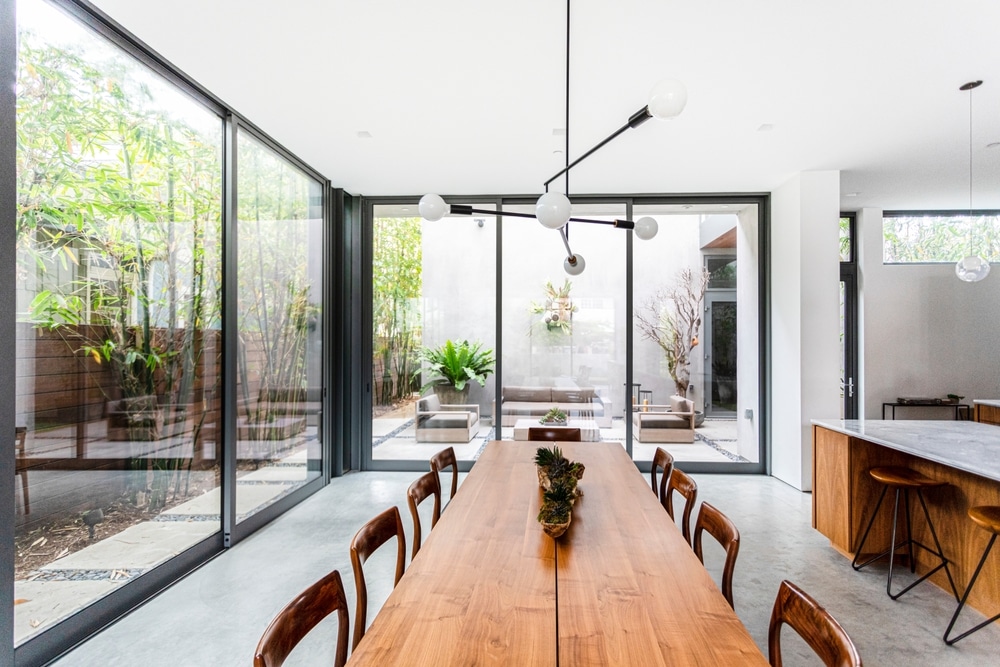
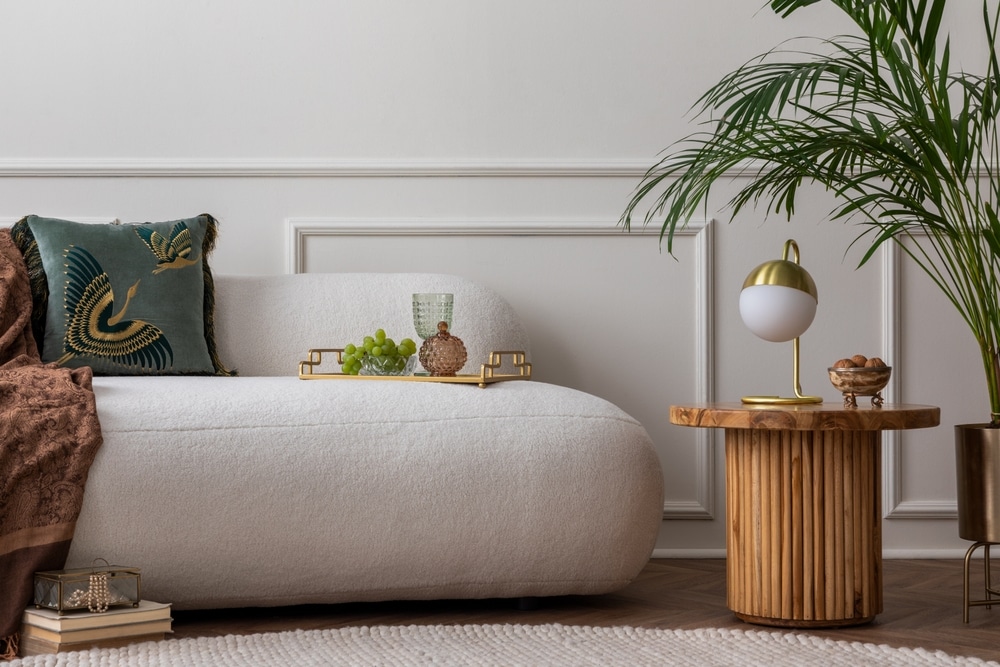
Designing a home that feels truly connected requires expertise and coordination at every step. That’s where Ember & Brune changes the experience. By handling material selection, interior design, and 3D planning under one roof, we streamline the process so families can focus on vision rather than logistics.

Bid procurement and project management are built into the workflow, ensuring every decision is backed by accuracy and efficiency. From the earliest sketches to the final finishes, the process remains seamless, with one team overseeing both design and construction. Let us know your concept, and let’s design a space near Lake Ellyn Park for every stage of family living.


Texture Matters: Layering Materials for a Richer Interior

How do you layer textures in interior design

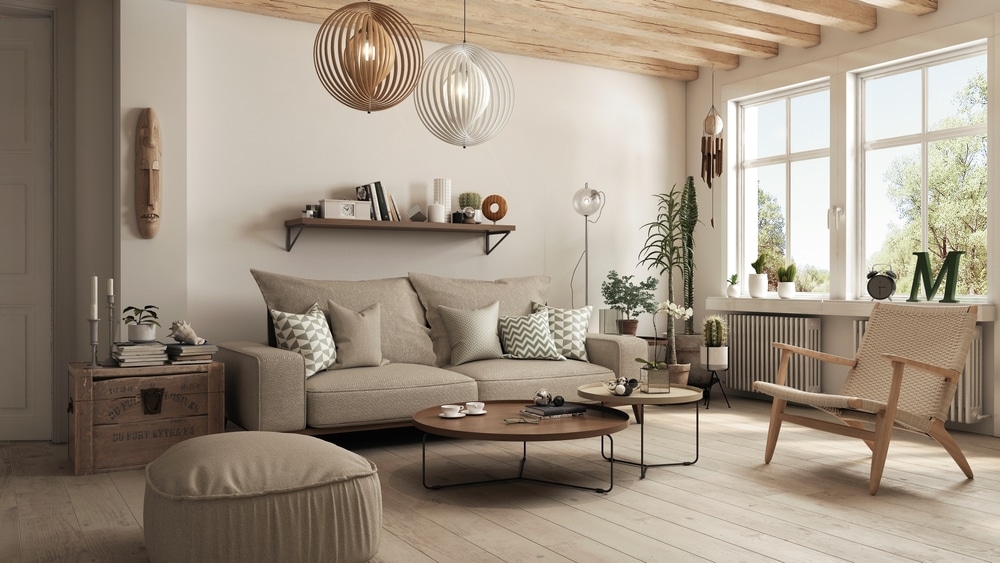
Texture plays one of the most important roles in shaping how a space feels and functions. Smooth stone, rough wood, soft fabrics, and reflective metals all bring their own energy, and when layered thoughtfully, they can completely transform an interior. Successful design doesn’t rely on a single material. Creating contrast, balance, and harmony through a mix of surfaces is essential. If you’re considering reshaping your place and contacting your local Glen Ellyn design build studio, understanding how to combine textures is fundamental in achieving a richer, more dynamic result.

How do you layer textures in interior design?

Think of texture as a design tool, just like color, scale, or layout. Layering is all about creating balance so that no single element overwhelms the rest.

Start with a neutral foundation

Every layered design needs a strong base to build upon, and that usually begins with neutral surfaces. Think of hardwood floors, stone tiles, or painted walls in soft, timeless shades that don’t compete for attention. These elements provide visual calm while setting the stage for more expressive materials. Without this foundation, the overall look can feel chaotic or disjointed. A neutral backdrop ensures that accent textures stand out while still feeling cohesive.

Introduce contrasting surfaces

Layering is most effective when there’s a play between opposites. Pairing smooth marble with rough-hewn wood, or cool metal with soft fabric, creates a dynamic rhythm in a room. These contrasts not only highlight the individuality of each material but also give the design depth and energy. Too many similar surfaces can feel flat, while thoughtful juxtapositions keep the space visually engaging. The key is to strike a balance so the contrasts feel intentional, not overwhelming.

Use textiles for warmth and softness

Hard surfaces alone can make a room feel cold, but textiles bring in comfort and approachability. A woven rug adds warmth underfoot, while curtains or upholstered seating soften the acoustics and overall atmosphere. Layering fabrics, like mixing linen, velvet, and wool, adds richness without requiring major architectural changes. These elements also make it easier to adjust the mood of a room seasonally or over time. In essence, textiles are the easiest way to humanize a space and make it feel lived-in.

Highlight with accent materials

Accents work like accessories in fashion: they don’t dominate, but they complete the picture. Brass fixtures, ceramic pieces, or a stone feature wall can add texture in subtle yet powerful ways. These smaller details create focal points that guide the eye through a space, ensuring it feels intentional rather than accidental. When applied sparingly, accents enrich the layered look without making it busy. They’re the finishing touches that elevate a design from simple to sophisticated.

Consider scale and proportion

Besides variety, texture is also about scale. Large surfaces, like walls or floors, should carry simpler, more subdued finishes, while smaller-scale details can showcase bolder textures. For example, a textured backsplash makes more sense as a highlight than across an entire wall. Playing with proportion ensures the space feels balanced and prevents visual overload. By respecting scale, textures complement rather than compete, resulting in a more harmonious interior.

reputable Glen Ellyn-based design build studioLooking for a reputable Glen Ellyn-based design build studio near you? You’re in the right place!
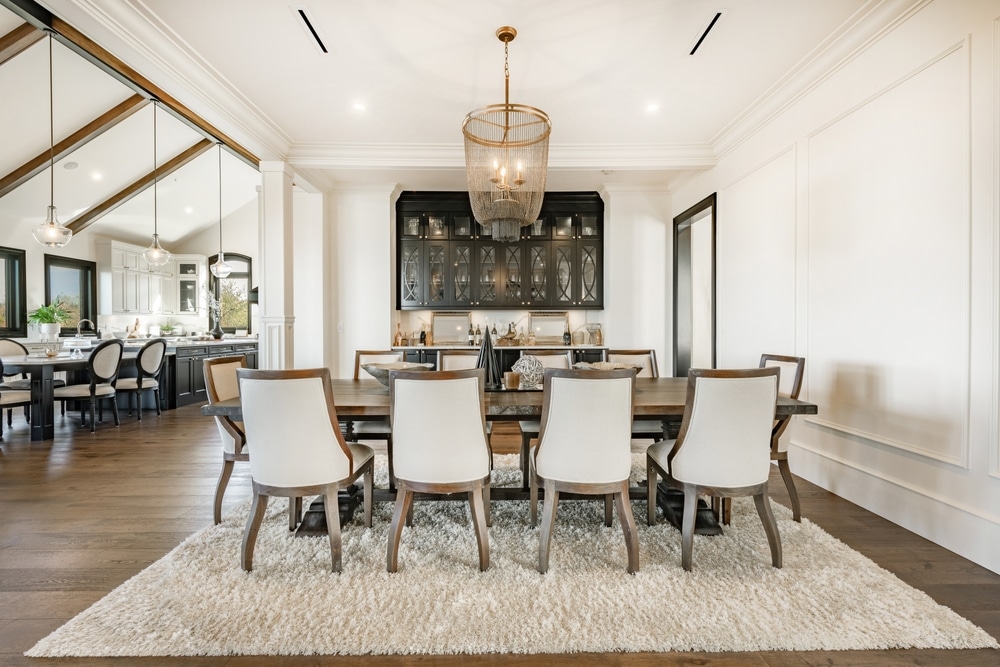
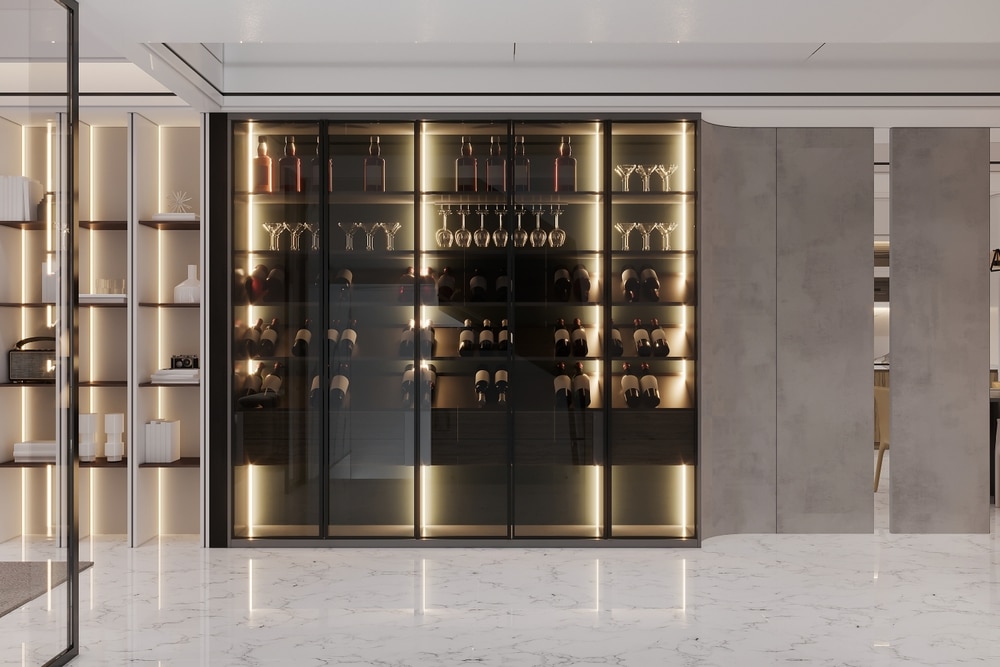
At Ember & Brune, interior design and material selection are part of a seamless process, ensuring that every detail works in harmony with your lifestyle. Whether it’s a kitchen designed for connecting and entertaining, a home that supports the needs of a growing family, or spaces thoughtfully planned for aging in place, our team approaches each project in Glen Ellyn and across the region with both creativity and practicality.

By managing every step, we create contemporary interiors that are built to adapt to life’s many stages. Schedule a consultation with our specialists today!


Designing for Entertaining: Kitchens, Bars, and Gathering Spaces

How to Create a Space for Entertaining in glen ellyn

Remodeling with entertaining in mind means designing spaces that invite people in and keep them connected. It’s about how the kitchen opens up to the living room, how the bar becomes a natural gathering spot, and how the entire home feels ready for conversation, celebration, and company.

Before working with a design+build studio in Glen Ellyn, it helps to understand the elements that turn everyday rooms into warm, welcoming spaces for hosting. With the right layout and finishes, your home can be both personal and effortlessly social.

How to design a home for entertaining?

Great entertaining begins with thoughtful design. The way a home is laid out can shape how people interact, how freely they move from room to room, and how comfortable they feel settling in. When spaces are planned with hosting in mind, whether it’s a casual gathering or a full dinner party, every detail plays a role in creating the right atmosphere.

Kitchen flow that encourages gathering

The kitchen tends to attract people, even when you’re not trying to make it the center of attention. That’s why layout matters – deeply. Islands that allow for multiple work zones, wide walkways that support movement without crowding, and open sightlines that connect the kitchen to adjacent living or dining areas all contribute to a better hosting experience.

Design choices like built-in seating or a strategically placed pantry can make the kitchen feel layered and lived-in, not just functional. Multi-level islands create visual interest while offering casual seating that encourages guests to linger. The more effortlessly a kitchen accommodates conversation and movement, the more naturally it becomes a space people gravitate toward.

Bars that double as conversation hubs

A well-placed bar creates a natural point of connection. Whether it’s a full walk-up with glass storage and a wine fridge or a compact wet bar tucked near the living room, the bar can act as a social anchor without dominating the space.

Material layering plays a big role here with stone, wood, metal, and lighting all influencing how the bar feels in context with the rest of the home. Open shelving or undercounter lighting adds warmth and helps the space feel integrated, not like an afterthought. A bar that’s designed with care becomes part of the architecture of entertaining, something guests remember without it needing to announce itself.

Dining spaces that feel connected

One of the most effective ways to modernize a dining experience is to create subtle transitions between rooms rather than walls or hard boundaries. Consider partial walls or framed views that connect the dining area visually and spatially with the kitchen and living zones.

At the same time, the dining room should still hold its own. A strong table presence and comfortable seating elevate the space without overpowering it. It’s not just about having a place to sit – it’s about setting the tone for everything from family meals to milestone celebrations.

Seamless indoor–outdoor transitions

Outdoor living has become an extension of the home. Sliding doors, folding glass walls, or pass-through windows help blur the line between indoor spaces and patios, decks, or courtyards. The goal is to create one continuous experience, where guests can move easily from the kitchen to an outdoor lounge without breaking the mood or flow.

Material continuity helps, too. Using complementary flooring or finishes both inside and out ties the areas together visually. Covered spaces, outdoor heaters, and built-in audio systems further encourage year-round use.

best design+build studio in Glen EllynPlanning to remodel for entertaining? Reach out to our design+build studio in Glen Ellyn
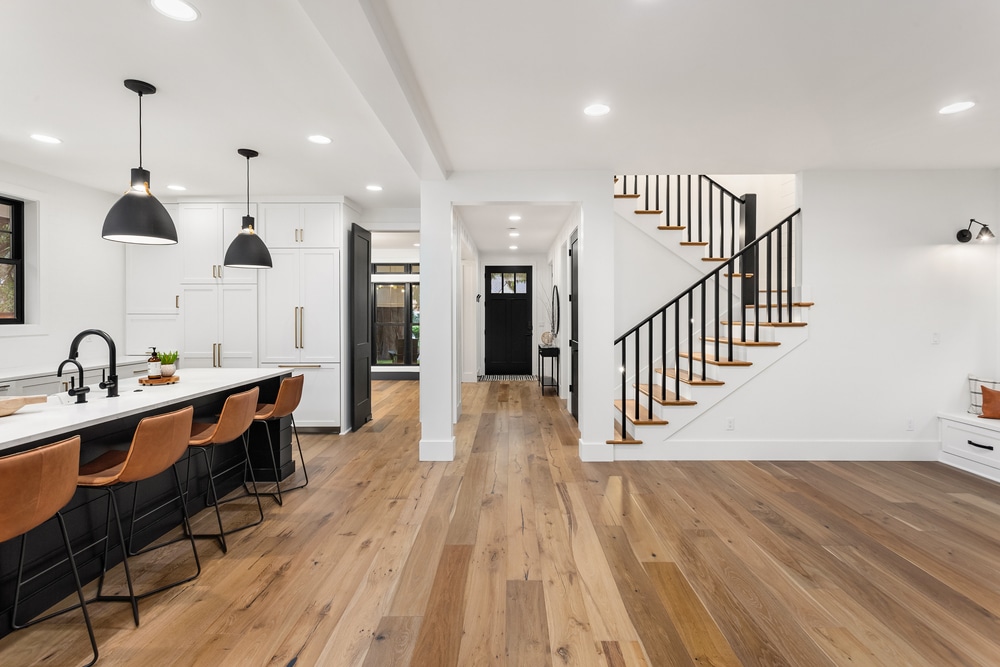
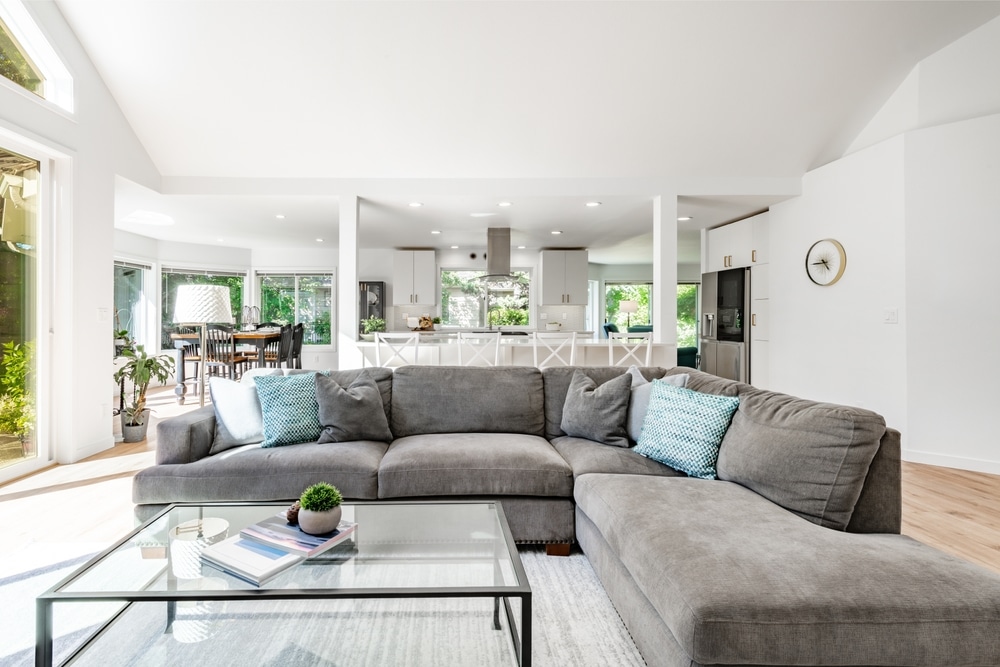
Every entertaining space begins with thoughtful planning. At Ember & Brune, we handle everything from layout development and finish selection to project management and execution, ensuring each space feels cohesive, inviting, and personal.

Whether you’re designing a kitchen built for gathering or outdoor areas that connect effortlessly with the indoors, our process is tailored to your needs and lifestyle. And while entertaining may be the focus today, we also think ahead, integrating design choices that support aging in place, so your home in Glen Ellyn remains functional and stylish for years to come.

Aging in Place: Remodeling for Long-Term Living

Aging in Place Remodeling

Maybe you love your home and can’t imagine leaving it, but you’ve started to wonder how well it will suit you five, ten, or even twenty years from now. Stairs that once felt effortless might become a challenge, bathrooms may not feel as safe, and kitchens can be harder to navigate. That’s where aging-in-place remodeling comes in. Before contacting a design build studio in Glen Ellyn or the area, it’s worth knowing what to expect – how design decisions today can add comfort, safety, and independence tomorrow, all without sacrificing the style that makes your home feel like yours.

What is the best home design for aging in place?

Remodeling for aging-in-place is most effective when practical details are seamlessly integrated into the overall design. The goal is to create a home that feels natural and comfortable to live in, while also anticipating the needs that come with time.

Architectural flow that works

The way a home is laid out can have a profound impact on how livable it remains over the years. Wider hallways and open sight lines aren’t only about accessibility – they also help rooms feel more expansive and welcoming. Reducing unnecessary steps and level changes between spaces creates a smooth continuity that makes movement effortless. These adjustments can be introduced without altering the character of the home, often enhancing its sense of balance and proportion in the process.

Bathrooms that blend form and function

Bathrooms are one of the most important spaces to rethink in a long-term living plan. A curbless shower with frameless glass brings an understated elegance while eliminating barriers that may become difficult later on. Heated floors provide warmth and comfort, making the space inviting every day of the year. Thoughtful additions like built-in seating, recessed shelving, and well-placed lighting create convenience without drawing attention to themselves. The result is a bathroom that looks like it was designed purely for comfort and style, yet carries the added benefit of being practical for decades to come.

Kitchens planned for everyday living

The kitchen is often the heart of the home, which means it must work as beautifully as it looks. Multi-level islands are an excellent way to make the space flexible, whether it’s designed for entertaining or everyday moments that reflect a family-centered home. Touchless fixtures simplify daily tasks while keeping surfaces clean, and custom pull-out storage ensures that essentials are within easy reach without cluttering the room. Over time, these details make the kitchen not only easier to use but also more enjoyable, turning routine tasks into seamless experiences.

Lighting and technology in harmony

Lighting is a design element that serves both function and atmosphere. A well-layered plan can highlight architectural features while providing the visibility needed for safe navigation at night. Task lighting in kitchens and bathrooms reduces strain, while ambient and accent lighting keep the home feeling warm and inviting.

When paired with discreet technology such as voice-activated controls or intuitive climate systems, the home becomes adaptable with very little effort required from its occupants. These additions don’t alter the character of the spaces but instead create an environment that responds to its residents with quiet efficiency.

go-to design build studio near me in Glen EllynWhat is the go-to design build studio near me in Glen Ellyn?

Designing a home in DuPage County for long-term living requires making thoughtful choices that feel natural today and remain practical tomorrow. Ember & Brune takes that approach to every project, managing everything from bid procurement to complete project management and interior design.

By carefully layering materials, finishes, and architectural details, we create spaces that reflect your style while supporting comfort and ease of use over time. Whether you’re planning a kitchen remodel, reimagining a bathroom, or looking at a whole-home transformation, we handle the process from start to finish so you can enjoy a home that evolves gracefully with you.

Kitchen Storage Upgrades That Don’t Sacrifice Aesthetics

go-to design + build company in Glen Ellyn

Smart storage is the backbone of a functional kitchen, but it shouldn’t come at the cost of good design. From bulky organizers to awkward cabinet add-ons, many storage solutions solve one problem while creating another: visual clutter. But with a thoughtful approach, it’s possible to maximize space and maintain a clean, elevated look.

Before you reach out to a design + build company in Glen Ellyn, it helps to know which upgrades offer both form and function. In this article, we’ll highlight clever, style-forward kitchen storage ideas that keep clutter hidden, tools accessible, and your kitchen looking beautifully pulled together.

How do you layout kitchen storage?

Before you think about materials or cabinet styles, storage begins with layout. The most beautiful kitchen in the world won’t feel functional if your essentials are scattered across the room or hard to reach. A smart storage plan zones your kitchen into logical areas: prepping, cooking, cleaning, and serving. Each zone should be stocked with the tools and ingredients needed for that task, reducing unnecessary movement and improving flow.

Drawers near the cooktop should house pots, pans, and utensils, spices and oils belong within arm’s reach of prep areas, and plates and cutlery should be near the dishwasher or sink for easy unloading. It’s about putting the right items in the right place. Once the zones are clearly defined, built-ins and cabinetry features can be customized around how you use the space, not just what looks good on paper.

Design-forward storage options that work

Storage doesn’t have to scream “utility.” With the right design choices, you can create storage solutions that are both discreet and beautiful. These upgrades work behind the scenes while maintaining the clean lines and overall aesthetic of your kitchen.

  • Pull-outs and deep drawers built-in dividers: These solutions offer sleek storage without disrupting your kitchen’s flow.
  • Maximize hidden spaces: Toe-kick drawers, appliance garages, and corner pull-outs make use of awkward or forgotten areas.
  • Style meets function: Details like built-in beverage drawers or hidden coffee stations give you convenience without sacrificing design. These upgrades let your kitchen do more—while still looking effortless.

Materials and finishes that elevate storage

How your storage looks is just as important as how it functions. Materials, textures, and finishes all contribute to the overall tone of your kitchen and can elevate even the most utilitarian features. These thoughtful choices make everyday interactions feel intentional and polished.

Matte fronts, warm wood tones, and fluted or reeded surfaces add texture and depth without visual clutter. Pair with minimalist hardware like slim black pulls or recessed handles for a refined look.

Remember, storage should feel just as elevated inside. Soft-close drawers, integrated lighting, and smooth interiors make daily use feel high-end. The right finishes do more than look good, enhancing every interaction.

Open shelving vs. closed cabinetry

Not all storage needs to be hidden. In fact, combining open and closed elements can make your kitchen feel more dynamic and personal.

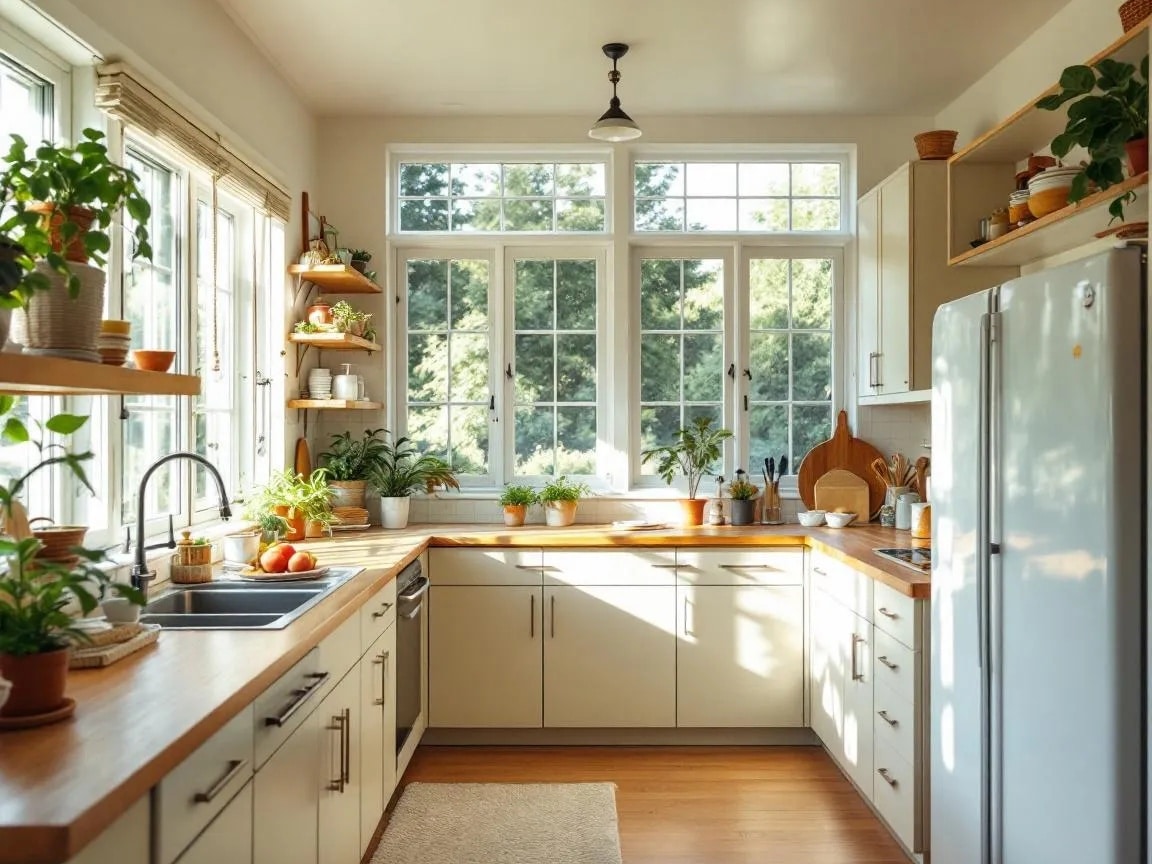
Open shelves lighten up the kitchen and create space for curated pieces like the dishes, greenery, or glassware. They work well in small kitchens or to break up long rows of upper cabinets.

However, not everything belongs on display. Closed cabinets keep everyday clutter hidden and maintain a clean, organized look. Use them for pantry items, appliances, and anything else you’d rather not showcase.

If you want the best of both worlds, a mix of open and closed storage gives you flexibility and balance of style and practicality.

Stylish Kitchen Storage IdeasWhat is the go-to design + build company in Glen Ellyn?

Storage is just one piece of the puzzle. At Ember & Brune, we take a holistic approach to every remodel, combining layout, function, and interior aesthetics.

From rethinking your kitchen storage to designing a custom home office that supports the way you live near the Glen Ellyn Main Street Historic District, our team guides you through every step of the process, with the whole project managed in-house from concept to completion. Schedule a consultation with our specialists today!

Architectural Details That Make a Statement in Your Home

experts for full house remodeling in Glen Ellyn

Architectural details are often the unsung heroes of great interior design. They might not grab your attention at first glance, but they’re what give a home depth, character, and a sense of intention. Ceiling treatments, custom millwork, arches, niches, and built-ins are all elements taht go beyond decoration to shape the way a space feels.

If you’re planning a full house remodeling in Glen Ellyn, now is the perfect time to think beyond just finishes and floorplans. Thoughtful architectural details can turn an ordinary room into a truly memorable space, adding both beauty and value. In this article, we’ll explore the features that create visual interest and lasting impact throughout your home.

What is a design statement in interior design?

A design statement is all about creating a moment in your home that draws the eye, anchors the room, and sets the tone for everything around it. In interior design, these statements are often architectural. Think of a coffered ceiling, a dramatic archway, or a custom fireplace surround. These features ground the space and instantly communicate intention.

What makes a design statement effective is its ability to stand out without overwhelming. It should complement the overall style of your home while adding something distinctive, In interior design, these focal points are opportunities to add architectural identity, giving each room its own personality while still keeping the home cohesive.

Ceiling details that add character

Too often, ceilings are treated as an afterthought, but in a well-designed home, they’re full of potential. Coffered ceilings, tray ceilings, wood beams, and tongue-and-groove paneling can dramatically change the tone of a space. These details add depth, draw the eye upward, and instantly make a room feel more curated.

Arches, niches, and openings

Doorways and transitions can be sculptural moments in your home. Replacing square openings with arches or softly rounded corners introduces a sense of flow and softness. Arched entries into a dining room, hallway, or even a shower instantly elevate the space, evoking timeless elegance.

Niches and wall insets are another way to add function and personality. Whether used for art, open shelving, or subtle lighting, they create dimensional interest without clutter. These architectural cutouts add soul to walls that might otherwise feel blank, and they’re an ideal feature to plan during a whole-home renovation.

Built-ins that feel bespoke

Built-in cabinetry, bookcases, window seats, and entertainment units do more than offer storage, helping define a room’s layout and rhythm. Unlike standalone furniture, built-ins feel like part of the home’s architecture, especially when they include integrated lighting, detailed trim, or complementary finishes.

These features also allow for creative problem-solving—turning awkward nooks into functional zones or creating balance where a wall feels too long or empty. A well-designed built-in becomes both a practical solution and a focal point, blending beauty with everyday function in a way that standalone pieces often can’t.

Design details that enhance every room

Not every architectural detail needs to be large-scale. Smaller elements like upgraded baseboards, crown molding, picture rails, or wainscoting can quietly elevate a space. These trims create subtle texture and visual rhythm, adding polish without requiring dramatic gestures. Used consistently, they tie different rooms together while still allowing each one to express its unique mood.

Even hardware placement or wall paneling can create intentional moments throughout the home. The goal is to make every surface feel considered so no matter where you are in the house, the design feels complete from floor to ceiling.

Home Design StatementsWho are the leading experts for full-house remodeling in Glen Ellyn?

At Ember & Brune, we believe architectural details are a part of the foundation of great design. During  remodeling projects, we collaborate closely with clients to identify where a feature wall, custom ceiling, or built-in solution can add visual impact without compromising flow or function.

Whether you’re dreaming of a show-stopping kitchen with custom storage space, a hidden home office built into a wall of cabinetry, or simply want to enhance your home in Glen Ellyn, our team handles every step of the process – in-house.