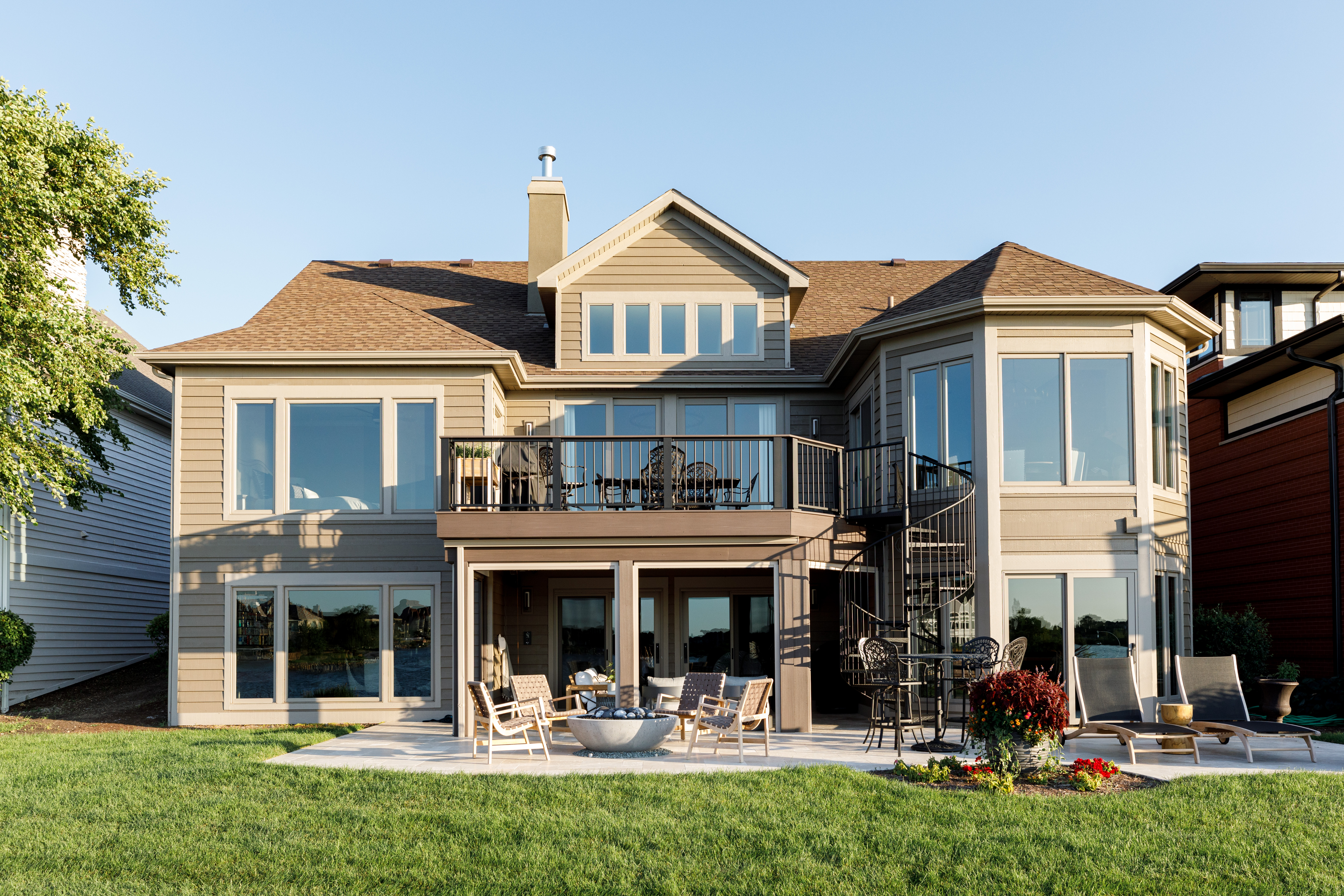
Design-Build vs Spec-Build: What’s the Difference

What-is-design-build-vs-spec-buildA whole house remodeling project is a significant decision, and understanding the fundamental differences between design-build and spec-build is crucial in determining which approach aligns best with your vision. While both methods aim to bring your dream home to life, the nuances in their execution can significantly impact the outcome.

In this article, we’ll shed light on the distinctions between design-build and spec-build and emphasize why the design-build approach stands as the superior choice for those seeking a truly personalized and seamlessly executed construction experience.

What is design-build vs spec-build?

Design-build and spec-build represent distinct approaches in the construction process, each with its unique characteristics and implications for your home remodeling project.

Design-build

In the design-build approach, your project benefits from a seamless collaboration between the design and construction phases. Architects, designers, and builders work as an integrated team from the project’s inception, fostering open communication and synergy. This method allows for a highly personalized experience, where homeowners actively participate in the design process, contributing to a living space that aligns precisely with their vision and preferences.

Spec-build

On the other hand, spec-build involves constructing homes based on predefined designs created by builders without direct homeowner input. This method may offer convenience but often results in a more standardized and less personalized outcome. Homebuyers in a spec-build scenario have limited flexibility to make changes to the design once construction has started, potentially leading to a final product that may not fully capture their unique taste or lifestyle requirements.

Why is design-build better?

Opting for the design-build approach offers a myriad of advantages that set it apart as the superior choice for your whole house remodeling project. Here are compelling reasons why design-build stands out:

1. Seamless collaboration

Design-build fosters a seamless collaboration between architects, designers, and builders, all working as a cohesive team from project inception. This integrated approach ensures clear communication, synergy, and a shared understanding of the project’s goals, resulting in a harmonious execution.

2. Personalized experience

This approach places homeowners at the center of the design process, allowing them to actively participate and contribute to the creation of their dream home. The highly personalized experience ensures that every detail aligns precisely with the homeowner’s vision and preferences, resulting in a living space that truly feels like their own.

3. Flexibility and adaptability

Unlike spec-build, design-build provides flexibility throughout the project. Homeowners have the freedom to make adjustments and refinements to the design even after construction has commenced. This adaptability ensures that the evolving needs and preferences of homeowners are accommodated, contributing to a more satisfying and tailored outcome.

4. Streamlined decision-making

Design-build simplifies decision-making by offering a single point of contact for the entire project. This centralized communication minimizes the potential for misunderstandings, delays, and misalignments between design and construction elements. The streamlined process ensures that adjustments are made with a comprehensive understanding of their impact on both design and budget.

5. Cost-efficiency and transparency

The design-build approach enhances cost-efficiency and transparency. Through collaborative efforts, a more accurate budget estimation can be provided early in the process, minimizing the risk of unforeseen expenses. Open communication within the integrated team ensures that adjustments are made with a clear understanding of their financial implications.

expert-whole-house-remodeling-projectWho are the go-to whole home remodeling experts?
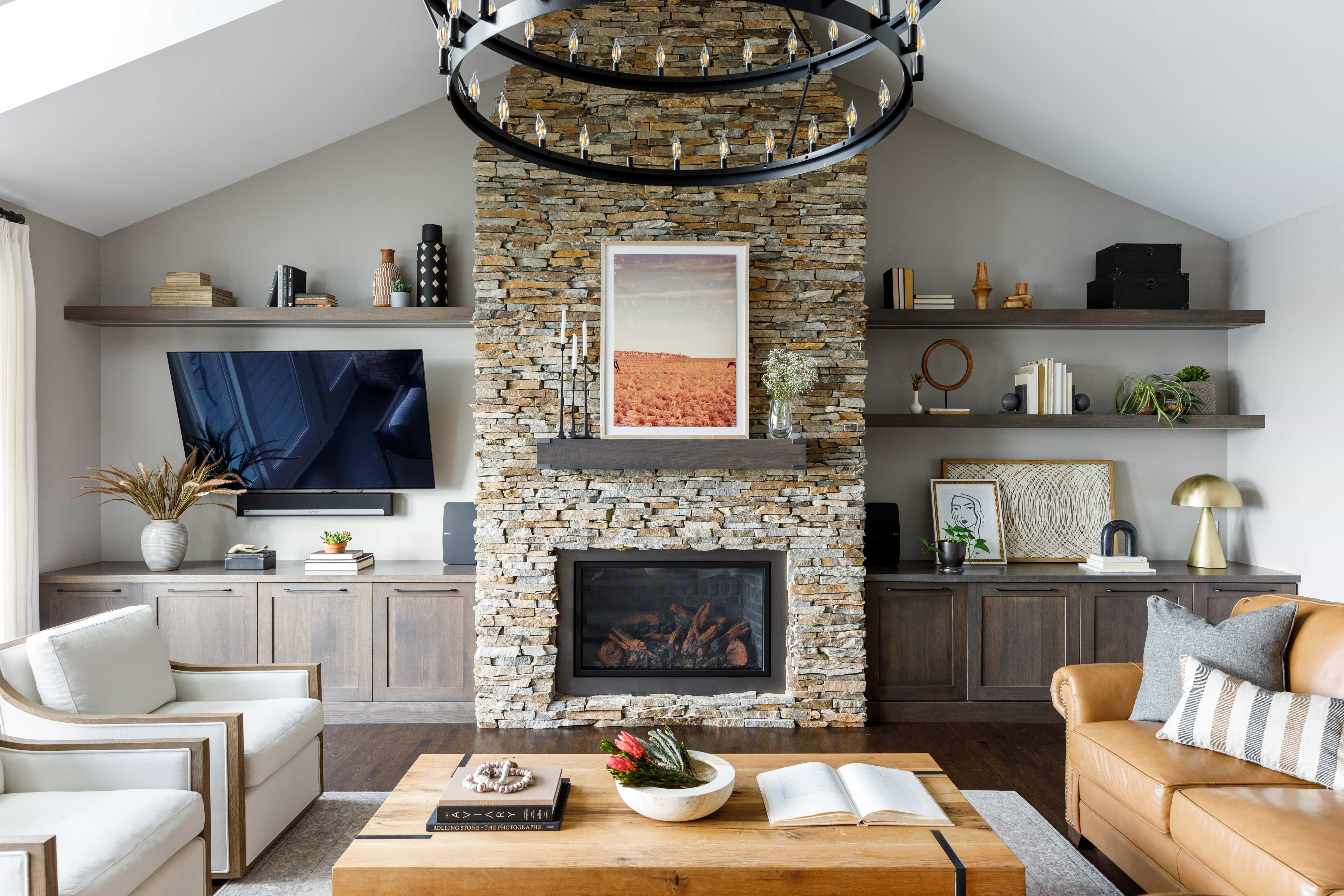
At Ember & Brune, we distinguish ourselves through a holistic approach, where our dedicated team collaborates cohesively through each phase. From conceptual design and meticulous bid procurement to the careful selection of materials and the final strokes of interior design, we ensure a cohesive and streamlined process. With a client-centric philosophy at the core of our ethos, we pride ourselves on turning visions into reality, crafting projects that stand the test of time.
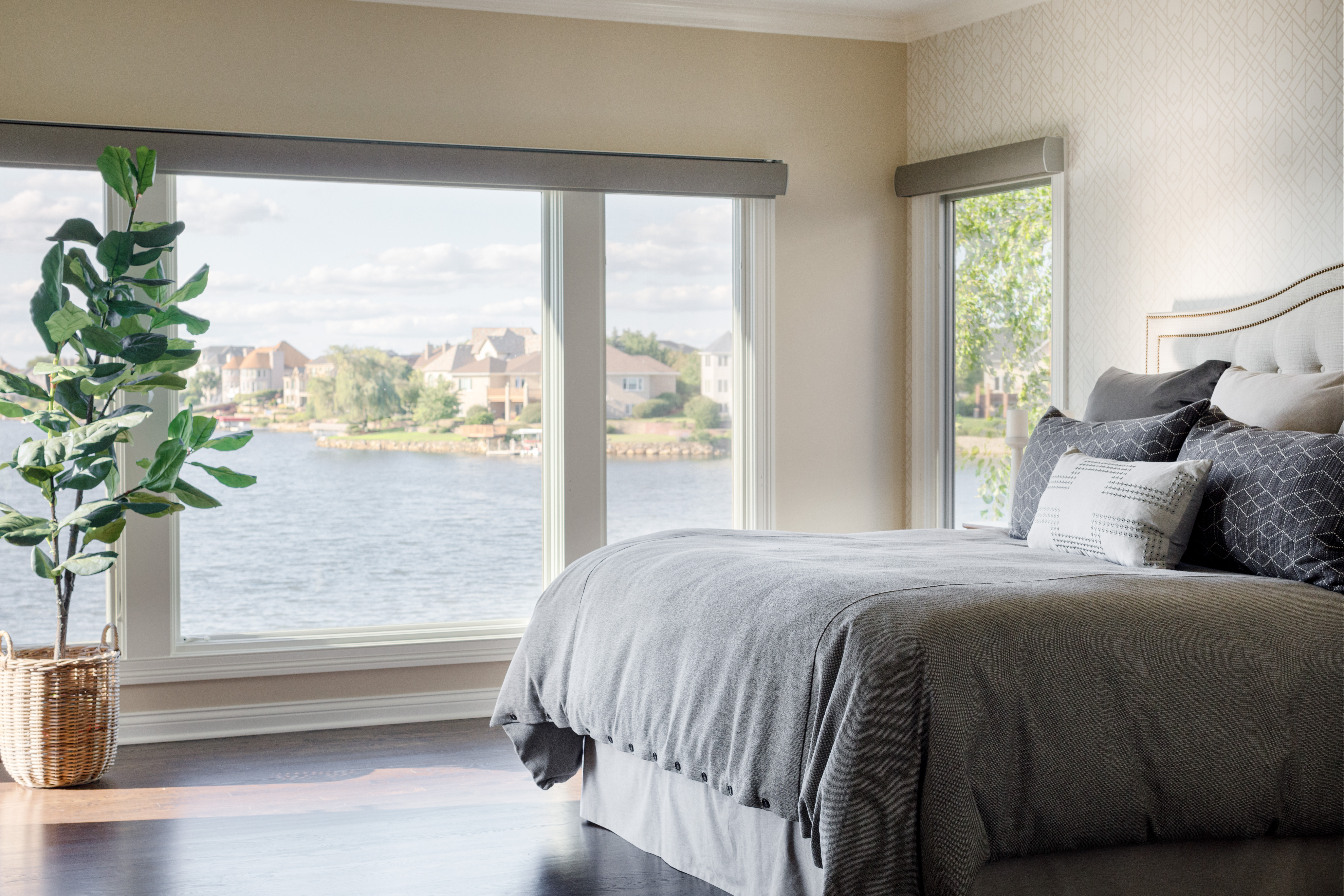
 

Navigating the Phases of Design-Build Remodeling

What-phases-design-build-processUndertaking a design-build remodeling project is a transformative journey that breathes new life into any part of your living space. Whether you’re envisioning a kitchen overhaul, a bathroom makeover, or a complete transformation of your property, understanding the phases of the design-build studio’s intricate process is crucial. From the initial spark of inspiration to the final touches of interior design, each stage plays a vital role in shaping the outcome of your remodel. Read on!
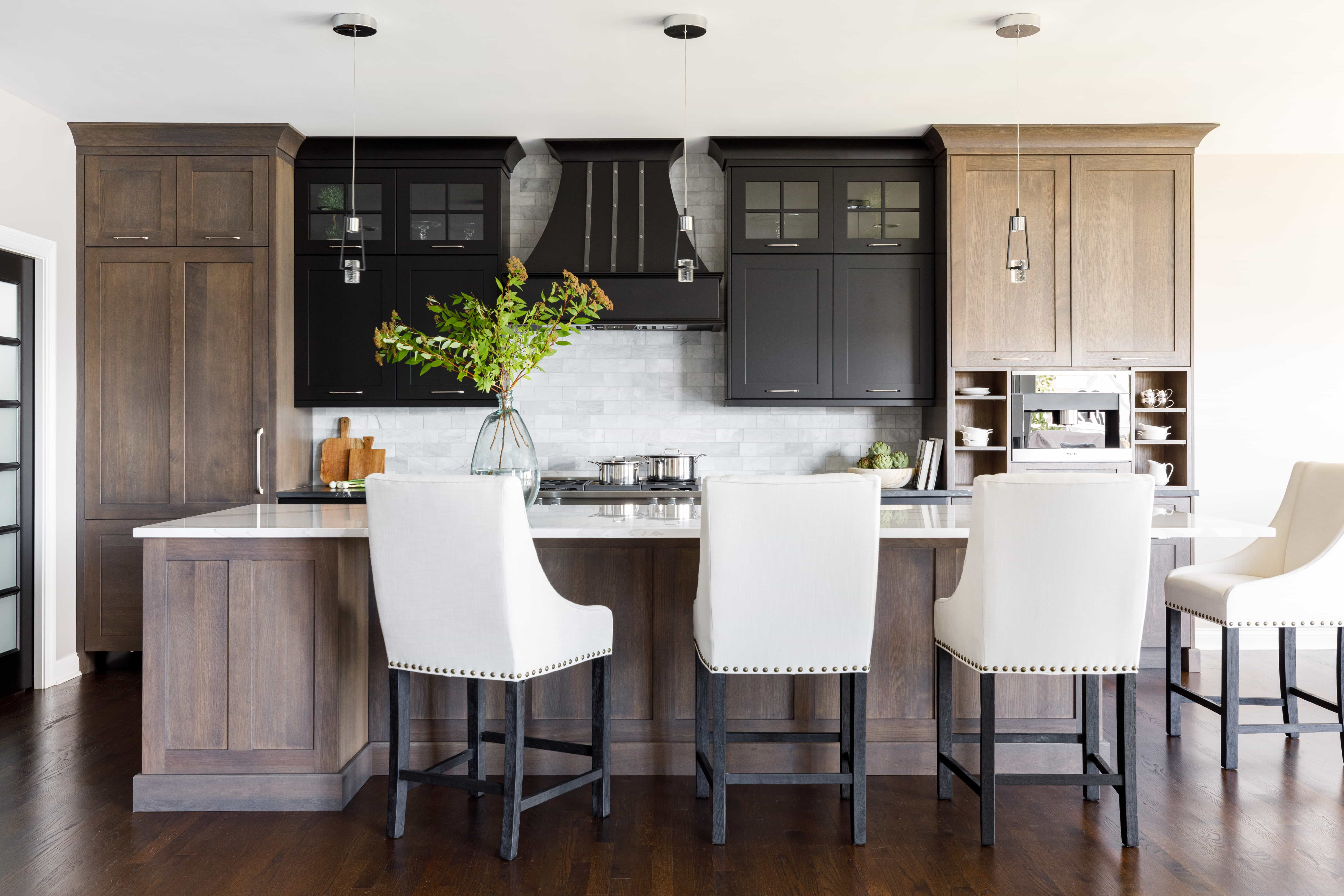
What are the phases of the design-build process?

Embarking on a design-build project opens doors to a world of possibilities, where dreams for your living space evolve into tangible realities. As we delve into the intricate phases of the process, each stage unveils the craftsmanship and expertise that will shape the very essence of your remodel.

Conceptualizing with 3-D precision

At the heart of every remodeling project is the conceptualization phase. This is where ideas take form, and visions transform into tangible plans. Utilizing advanced 3-D software, homeowners can visualize their dream spaces with unprecedented accuracy. This immersive experience allows for a detailed exploration of design elements, ensuring that the envisioned remodel aligns seamlessly with personal preferences.

Putting the plan in place

With the concept finalized, the project progresses to the architectural drawing phase. Architects bring the vision to life on paper, translating creative ideas into precise drawings. These detailed plans serve as the roadmap for the construction team, guiding them through the intricate details of the remodel. This phase is essential for ensuring that the envisioned design is not only aesthetically pleasing but also structurally sound.

Navigating bid procurement

Bid procurement marks the transition from conceptualization to practicality. This phase involves negotiations, sourcing, and the careful selection of contractors and suppliers. Homeowners and project managers collaborate to secure competitive bids, considering factors such as cost, timeline, and the contractor’s track record. Successful bid procurement sets the foundation for a streamlined and well-executed remodeling project.

Curating the material palette

Material selections introduce a tactile and visual dimension to the remodeling process. Homeowners work closely with designers and contractors to choose materials that align with the envisioned design. From countertops and flooring to fixtures and finishes, this phase is a hands-on exploration of textures, colors, and styles, bringing the concept one step closer to reality.

Coordinating purchasing & delivery

Once material selections are finalized, the project moves into the purchasing and delivery phase. This stage involves coordinating the intricate dance of procuring materials and ensuring timely deliveries. Project managers take the helm, orchestrating a seamless flow of components to the construction site. Effective coordination is essential to prevent delays and keep the remodeling timeline on track.

Guiding the project with effective management

Project management emerges as a central pillar in the design-build remodeling process. From overseeing construction timelines to coordinating subcontractors, project managers play a crucial role in ensuring the project’s successful execution. Their expertise lies in navigating the complexities of construction, addressing challenges promptly, and maintaining a steady trajectory toward project completion.

Elevating the experience with interior design

As the physical transformation unfolds, the interior design phase brings a touch of refinement and cohesion to the space. Interior designers collaborate with homeowners to select furnishings, accessories, and decorative elements that complement the overall design. This final layer adds a personalized and harmonious touch, transforming the remodeled space into a true reflection of the homeowner’s style.

reputable design-build studioWhat design-studio can I trust with my remodeling project?

With a commitment to excellence and a passion for innovation, Ember & Brune navigates the intricate phases of the process, turning aspirations into a harmonious and functional reality. What sets us apart is our dedication to personalized craftsmanship, ensuring that every detail aligns seamlessly with your vision. Unlike spec build alternatives, our design-build approach offers a bespoke journey, tailored to your unique needs. The benefits of the process are not just in the final result but in the collaborative process itself, where you have a hand in shaping your new space.

7 Benefits of Design-Build Remodeling

Home remodeling is a complex and exciting process, filled with the promise of transforming your living spaces into something new and beautiful. The choices you make during this endeavor can significantly impact the outcome and your overall experience.

One approach that has been making waves in the world of home renovation is design-build remodeling. This method offers a streamlined and holistic way to realize your vision for your home. In this article, experts from a design+build studio explore the unique advantages of design-build remodeling, delving into why it’s gaining popularity among homeowners looking for a more efficient and effective way to revamp their living spaces.

advantages of design-buildWhat are the advantages of design-build?

Design-build remodeling, an integrated approach that combines the design and construction phases under one roof, offers a host of advantages for homeowners. Here are seven key benefits:

1. Single point of responsibility

One of the primary advantages of this method is the consolidation of responsibility. With a single design-build team overseeing the entire project, you have one point of contact for all aspects of your renovation. This simplifies communication, minimizes the potential for misunderstandings, and ensures a smoother project progression from concept to completion. This single point of responsibility also leads to a more efficient project management.

2. Enhanced collaboration

Design-build encourages a high level of collaboration among the team members. Architects, designers, and builders work in unison from the project’s inception, allowing for seamless information exchange. This collaboration results in design concepts that are more aligned with practical construction, improving project feasibility and reducing costly design changes. This collaborative approach not only ensures a smoother process but often leads to more innovative and well-thought-out solutions.

3. Streamlined project timeline

Design-build firms are experts at project management. By integrating all phases of the process, they can create realistic schedules that keep your home improvement project on track. This efficient timeline management not only saves time but also minimizes disruptions to your daily life during the renovation process. With a clear timeline, you can better plan your life around the renovation.

4. Cost predictability

Design-build remodelers emphasize cost control. From the beginning, they work to ensure that the design aligns with your budget. With a clear understanding of the project’s cost implications, you are less likely to encounter unexpected expenses or financial surprises as the project progresses. This cost predictability gives you peace of mind throughout the renovation process.

5. Quality assurance

The design-build approach prioritizes quality throughout the project. With a unified team responsible for both design and construction, there’s a higher level of accountability. They have a vested interest in delivering a high-quality final product that aligns with your initial vision. This commitment to quality ensures that your renovation not only looks good but also stands the test of time.

6. Efficient problem solving

In any remodeling endeavor, challenges can arise. Design-build firms are well-equipped to address these issues promptly. Their close collaboration and expertise allow for efficient problem-solving, reducing the potential for delays and added costs. This proactive approach means that even if unexpected issues arise, they are quickly and effectively resolved.

7. Improved communication

Effective communication is the cornerstone of any successful renovation. Design-build firms excel in this aspect by fostering open lines of communication among the various team members. They ensure that everyone involved in the project is on the same page, which leads to fewer misunderstandings and a more harmonious experience for the homeowner. This open communication also means that your input and concerns are consistently heard and addressed throughout the process.

What are the advantages of design-buildWhat design+build studio can I trust with my remodeling project?

Ember & Brune is a custom-build and interior design company dedicated to bringing your project to life in Glen Ellyn and beyond. Our focus is on design-build remodeling, a comprehensive approach that distinguishes itself from spec-build by actively involving you in every step of the process.

We utilize 3-D software to transform your vision into reality, assist you in making material selections, and provide expert project management in all aspects of your project. Your dream home is not just a concept – it’s our commitment.

Design-Build Remodeling Explained

Ember&Brune-8_16_22-15Home remodeling is a transformative journey that allows homeowners to breathe new life into their living spaces. Yet, this exciting process can also be fraught with challenges and complexities, often leading to decision fatigue. In the quest for the perfect renovation, the choice of remodeling approach is paramount.

Design-build is a process that allows interior designers, architects and trades to work together as a team start to finish on your home remodeling project. In this article, we’ll take a deep dive into the world of design-build remodeling. Read on!

What is design-build remodeling?

Design-build remodeling is a comprehensive approach to home renovation that diverges from the traditional method. Unlike the standard approach, where homeowners independently hire architects, designers, and contractors, design-build encompasses all phases of the process under a single, collaborative umbrella. This integration results in a streamlined and efficient process that provides homeowners with numerous advantages.

The journey of a design-build remodeling project often begins with an initial consultation. During this meeting, homeowners, architects, designers, and builders come together to discuss the project’s vision, goals, and budget. This open dialogue ensures that the design concepts are realistic and aligned with the budget from the outset, minimizing the risk of costly changes or unexpected surprises during the construction phase.

One of the most significant benefits of the design-build approach is its singular point of responsibility. In this model, the design-build firm takes accountability for the entire project, from conceptualization to the final hammer swing. This means fewer communication challenges, enhanced project management, and ultimately, a more efficient and cost-effective renovation experience.

What does design-build include?

Design-build remodeling is not a one-size-fits-all solution. It’s a versatile method that can cater to a wide array of home improvement projects, from kitchen makeovers to full-scale home renovations. Here’s what you can expect to be included in a design-build renovation:

  • Design services: Design-build firms offer a comprehensive range of design services, starting from initial sketches and conceptual drawings to detailed construction drawings. Their in-house team works closely with you to ensure that your design reflects your vision and meets your functional needs.
  • Permitting and approvals: Design-build professionals are well-versed in local building codes and regulations. They take care of the permitting process, ensuring that your construction complies with all legal requirements.
  • Construction: The construction phase is executed by the same team that designed your project. This seamless transition from design to construction minimizes miscommunication and potential delays.
  • Project management: Design-build firms excel in the art of project management. They take on the responsibility of overseeing all aspects of your renovation, including scheduling, budgeting, and quality control.
  • Cost control: With a single entity responsible for both design and construction, design-build projects often have better cost control. The team continually evaluates costs, helping to keep all aspects within budget.
  • Quality assurance: The design-build approach emphasizes quality. The team is committed to delivering a high-quality result that aligns with your initial vision and meets industry standards.

Ember&Brune-2_16_22-76 (1)Who are the go-to interior designers for my remodeling project?

At Ember & Brune, we’ve redefined the art of remodeling with our innovative approach. Our team leverages cutting-edge 3-D software to turn your dreams into tangible designs, assisting you with material selections, and providing expert project management every step of the way.

Unlike a spec-build method, we specialize in a holistic process that ensures your vision is at the forefront from start to finish. Whether you’re located near Lake Ellyn Park or another area, we’re here to kickstart your project from the ground up!